There is no single ABS melting point. ABS (acrylonitrile butadiene styrene) is an amorphous plastic, so it softens gradually around its glass transition temperature of about 105 °C and is processed as a melt at about 210–260 °C. In use, most general-purpose ABS parts hold their shape up to about 80–100 °C, depending on load and grade.
If you searched for the ABS melting point, you probably have one of two practical questions behind it. Either you need to set barrel, nozzle or print temperatures for a production run, or you need to know whether a finished ABS part will survive the heat it sees in service: a car interior in summer, a housing next to a motor, a part that goes through a hot wash. A single “melting point” number answers neither question well, and using the wrong number is how teams end up with splay and yellowing in the press, or with housings that sag in the field.
As an ABS supplier, we get these questions from molders, extruders and design engineers every week. This guide explains why the ABS melting point is not a single number, what its glass transition temperature means for part design, the melt temperatures to use for injection molding, extrusion and 3D printing, how to read heat resistance ratings such as HDT and Vicat, and how to choose an ABS resin grade that matches your temperature requirement.
ABS temperatures at a glance
- Melting point. None. ABS is amorphous and softens gradually instead of melting at one temperature.
- Glass transition temperature (Tg). About 105 °C; most commercial grades fall between 100 and 110 °C.
- Processing melt temperature. About 210–260 °C for injection molding, 200–240 °C for extrusion and 220–250 °C for a 3D printer nozzle.
- Heat deflection temperature (HDT). About 85–100 °C at 1.8 MPa and 95–105 °C at 0.45 MPa for general-purpose grades.
- Vicat softening temperature (B50). About 95–105 °C for general-purpose grades and up to about 120 °C for heat-resistant grades.
- Thermal conductivity. About 0.17–0.19 W/(m·K), which makes ABS a good thermal insulator.
What Is the Melting Point of ABS Plastic?
Many engineers expect a datasheet to show one melting temperature, the way it does for polypropylene or nylon. When they open an ABS datasheet and find no melting point at all, it is easy to assume something is missing, or to borrow a figure from a website that may describe something else entirely. The reason is the structure of the polymer, not a gap in the data. Once you understand how ABS behaves as it heats up, it becomes clear which numbers you should use for processing and which for part design, and why the melting point of ABS material is the wrong question for both.
Why ABS Has No True Melting Point
Semi-crystalline plastics such as polypropylene (PP) and polyamide 6 (PA6) contain ordered crystalline regions that break down at a defined temperature. Polypropylene melts sharply at about 160–165 °C, and PA6 at about 220 °C. The polymer chains in acrylonitrile butadiene styrene are arranged randomly, with no crystals to melt, so there is no single acrylonitrile butadiene styrene melting point.
Instead, ABS softens in stages as it heats. Below its glass transition temperature it is a rigid, glassy solid. Above it, the material turns leathery, then rubbery, and finally becomes a viscous melt that can be molded or extruded. When people quote an ABS plastic melting point or an ABS melt point, they usually mean the temperature range at which the melt flows well enough to process, not a true phase change.
| Behavior when heated | Amorphous ABS | Semi-crystalline PP / PA6 |
|---|---|---|
| Melting point (Tm) | None | Sharp: PP ~160–165 °C, PA6 ~220 °C |
| How it softens | Gradually, starting around Tg (~105 °C) | Stays fairly stiff, then melts quickly at Tm |
| Mold shrinkage | Low and fairly uniform (about 0.4–0.7%) | Higher and direction-dependent |
| Processing window | Broad; set by viscosity and degradation limit | Narrower; must exceed Tm with control of crystallization |
ABS Melt Temperature vs Melting Point: What the Datasheet Actually Lists
On an ABS technical datasheet, the melting point line is usually blank or marked “not applicable”. What you will find instead is the melt flow rate (MFR or MVR), tested under ISO 1133 or ASTM D1238, normally at 220 °C with a 10 kg load. This tells you how easily the melt fills gates, runners and thin walls, and it is the number to compare when you switch grades.
The datasheet then gives a recommended processing temperature range rather than an ABS material melting point, plus heat resistance values such as HDT and Vicat for part design. If you are new to these documents, our guide on how to read an ABS technical data sheet walks through each line.
Acrylonitrile, Butadiene and Styrene: How Each Phase Behaves When Heated
ABS is a two-phase material: a continuous, rigid styrene-acrylonitrile (SAN) matrix with fine polybutadiene rubber particles dispersed through it. Each monomer contributes something different to how the material responds to heat.
- Styrene gives stiffness, easy flow in the melt and surface gloss.
- Acrylonitrile adds chemical resistance and raises heat resistance slightly through stronger interactions between chains.
- Butadiene rubber provides impact strength, including at low temperatures. It is also the most heat-sensitive part of ABS: too much heat or too long in the barrel above about 270 °C oxidizes and crosslinks the rubber, which shows up as yellowing and brittle parts.
ABS Glass Transition Temperature (Tg)
For anyone designing or specifying an ABS part, the glass transition temperature matters far more than any melt figure. A housing never sees 230 °C in service, but it may well see 90 °C next to a motor or under a windshield, and that is close enough to Tg for problems to start. As ABS approaches its glass transition, stiffness drops, snap fits loosen and parts under stress begin to creep. Knowing where the ABS glass transition temperature sits, and what moves it, tells you how much safety margin a grade really gives you.
Typical ABS Glass Transition Temp Range
The glass transition temperature of general-purpose ABS is about 105 °C, and most commercial grades fall between 100 and 110 °C. Below this, the SAN matrix is glassy and stiff. Above it, chain segments can move and the part loses load-bearing capacity. This is the transition that matters for part design.
ABS actually has a second glass transition, belonging to the polybutadiene rubber, at about −80 °C. That low transition is why ABS stays tough in the cold. On a differential scanning calorimetry (DSC) curve, the upper glass transition appears as a step in the baseline rather than a peak, which is another sign that ABS has no melting point. For design, treat about 100 °C as the ceiling for unloaded standard grades, and a good deal lower for parts under load.
What Shifts the Transition Temp: Composition, Alloys and Additives
Producers adjust the ABS transition temp through the monomer recipe. A higher acrylonitrile content raises it slightly. Heat-resistant grades replace part of the styrene with alpha-methylstyrene or add maleimide-type monomers, which stiffen the chains and lift the glass transition and Vicat temperature into the 110–120 °C range.
Blending gives bigger shifts. PC/ABS alloys combine ABS with polycarbonate, whose glass transition is about 145–150 °C. The blend shows two transitions, and its heat resistance rises with PC content, which is why PC/ABS is the usual step up when standard ABS is not enough. Fillers, pigments and flame retardants have smaller effects, covered in the filled-ABS section below.
Why Tg Matters More Than “Melting Point” for Part Design
Field failures in ABS parts almost never come from melting. They come from softening and creep below Tg: a clip that loses its grip, a boss that strips under screw torque, a panel that bows after a summer in a parked car. As the temperature approaches the glass transition, the modulus falls steeply, and molded-in stress is released as warpage.
That is why the useful question is not “what temperature does ABS melt at?” but “how far below Tg will my part operate, and under how much load?” For load-bearing parts, use HDT at 1.8 MPa as your design reference. For unloaded parts, Vicat and the continuous service temperature are better guides. Both are explained in the heat resistance section below.
ABS Melting Temperature for Processing
On the production floor, the ABS melting temperature question is really about where to set the barrel. Run too cold and you get short shots, high injection pressure and weak weld lines. Run too hot, or let material sit too long, and the rubber phase starts to degrade, giving yellowing, black specks and brittle parts. The right setting depends on the process, the grade’s melt flow and the part geometry, but every ABS process works inside the same broad window. The table below summarizes typical ranges, followed by practical notes for each process.
| Process | Melt / material temperature | Mold, roll or bed temperature | Notes |
|---|---|---|---|
| Injection molding | 210–260 °C (often 220–250 °C) | Mold 40–80 °C | Higher mold temperature for gloss and weld-line strength |
| Sheet and profile extrusion | 200–240 °C | Rolls about 70–95 °C | Lower melt temperature keeps melt strength |
| Thermoforming (sheet) | Sheet heated to about 150–180 °C | Tool about 60–85 °C | Forming happens in the rubbery state, not the melt |
| 3D printing (FFF) | Nozzle 220–250 °C | Bed 90–110 °C | Enclosure recommended to limit warping |
Injection Molding: Melt and Mold Temperature
For injection molding, the practical ABS plastic melt temperature is about 210–260 °C, and most general-purpose grades run well at 220–250 °C. Set the barrel profile to rise from the feed throat to the nozzle so the pellets melt evenly. Higher-flow grades for thin walls sit toward the lower end of the range, while lower-flow, high-impact grades often need the upper end.
Mold temperature has as much effect on part quality as melt temperature. At 40–60 °C cycles are shorter, but more stress is frozen into the part, which raises the risk of warpage and of appliance parts cracking when they meet cleaning agents. At 60–80 °C the melt replicates polished surfaces better, gloss improves and weld lines are stronger. Molders who need grade-by-grade settings can use our table of ABS drying and molding conditions by grade.
Extrusion and Thermoforming
Sheet and profile extrusion run at a slightly lower ABS plastic melting temp than injection molding, usually 200–240 °C. Extrusion needs melt strength so the sheet or profile holds its shape between the die and the calibrator or chill rolls. If the melt is too hot, it sags and wall thickness becomes uneven.
In thermoforming, the extruded sheet is heated to about 150–180 °C, which is above Tg but well below processing melt temperatures. At that point the sheet is rubbery and can be drawn over the tool by vacuum or pressure. Even heating across the sheet is what prevents thin corners and surface blisters. Sheet that has absorbed moisture in storage should be pre-dried, or it will blister when heated.
3D Printing ABS: Nozzle, Bed and Enclosure
For fused filament fabrication, the usual ABS melt temp at the nozzle is 220–250 °C. Because printing applies no packing pressure, layers bond only through heat, so a nozzle that is too cool produces weak, brittle parts that split between layers.
Warping is the main problem when printing ABS. A heated bed at 90–110 °C keeps the first layers close to the glass transition so they stay flat and attached. An enclosure that holds the air around the part at roughly 45–65 °C reduces the temperature difference between new and old layers, which limits corner lift and cracking on tall parts.
Drying Before Melting and the Degradation Ceiling
ABS absorbs moisture from the air, typically about 0.2–0.4% at saturation. Moisture turns to steam in the barrel and shows up as silver streaks (splay) on the part surface. Dry ABS at 80–85 °C for 2–4 hours in a desiccant dryer to bring moisture below about 0.1% before molding, and keep bags sealed until they go into the dryer.
At the top end, avoid melt temperatures above about 270 °C, and above 280 °C degradation speeds up quickly, especially with long residence times or oversized barrels. The signs are yellowing, black specks, a drop in impact strength and fumes containing styrene, so good extraction around the machine matters. If you need more flow, a higher-MFR grade is usually a better fix than more heat.
ABS Heat Resistance and Temperature Rating
Once a part leaves the mold, the question becomes how much heat it can take in service. This is where ABS heat resistance and temperature resistance ratings come in, and where most of the confusion lies. A datasheet may list HDT at two different loads, Vicat by two different methods, and values for annealed or as-molded test bars, all of which can differ by 10 °C or more for the same grade. If you are writing a specification or comparing quotes, you need to know which number answers your question. The sections below explain each rating, what continuous temperature ABS can handle, and when to move to a heat-resistant grade or PC/ABS.
Heat Deflection Temperature (HDT) and Vicat Softening Point
Heat deflection temperature (ISO 75 or ASTM D648) is the temperature at which a standard bar under a bending load deflects by a defined amount (0.25 mm in ASTM D648). As-molded general-purpose ABS typically shows an HDT of about 85–100 °C at 1.8 MPa and 95–105 °C at 0.45 MPa. Annealed test bars give higher values because the molding stress has been relaxed.
The Vicat softening temperature (ISO 306, method B50) is the temperature at which a flat-ended needle under a 50 N load penetrates the surface by 1 mm. Standard ABS grades typically reach 95–105 °C, and heat-resistant grades about 105–120 °C. Vicat is useful for comparing grades, but it measures surface softening rather than the behavior of a loaded part.
When comparing datasheets, always check the load, the method and whether the bars were annealed. Production parts that cool quickly in the mold behave more like the as-molded values unless you anneal them.
Maximum Continuous Service Temperature
For unmodified ABS without significant load, a continuous service temperature of about 60–80 °C is a sensible guide. Long exposure above about 80 °C slowly oxidizes the butadiene rubber, and parts gradually lose impact strength. Under continuous load, creep sets in at lower temperatures, so loaded parts need extra margin in the wall thickness and design.
Short peaks are a different matter. Brief exposure to about 90 °C is usually tolerated when stress is low, for example inside electronics during a heavy duty cycle. For continuous duty near the limit, specify a heat-stabilized or heat-resistant grade, and design against the continuous rating rather than the short-term peak.
Heat-Resistant ABS Grades and When to Move to PC/ABS
When a part runs consistently above about 85 °C, general-purpose ABS starts to creep and distort. Heat-resistant ABS, made with alpha-methylstyrene or maleimide-type comonomers, lifts the Vicat temperature to about 110–120 °C. These grades suit automotive interior trim and appliance housings, and they usually run on the same tools with slightly higher melt temperatures.
When the requirement goes beyond about 100–105 °C under load, PC/ABS or polycarbonate is the usual next step. PC/ABS typically offers HDT of about 100–125 °C at 1.8 MPa, depending on PC content, while keeping much of the easy processing and toughness of ABS. Expect higher melt temperatures and more attention to drying when you switch.
ABS Temps at the Low End: Cold Impact Performance
Heat gets most of the attention, but the low end of the ABS temperature range is one of its strengths. Many rigid plastics become brittle near freezing. In ABS, the rubber phase stays flexible far below zero because its own glass transition is around −80 °C.
General-purpose ABS keeps useful impact strength down to about −20 °C, and high-impact grades with more rubber perform down to about −40 °C. That combination of cold toughness and moderate heat resistance is why ABS is used for protective cases, exterior brackets and equipment that has to survive both summer and winter.
ABS Plastic Thermal Conductivity and Other Thermal Properties
Beyond softening and melting, a few other thermal properties decide how ABS behaves in the mold and in the product. Thermal conductivity controls how fast a part cools and therefore your cycle time. Thermal expansion decides whether an ABS cover stays flush against a metal frame through hot and cold seasons. Specific heat affects how much energy the dryer and barrel have to supply. These figures rarely appear in a purchase specification, but they explain many of the sink marks, gaps and warpage problems that end up in quality reports.
| Property | Typical value | Test standard / note |
|---|---|---|
| Thermal conductivity | 0.17–0.19 W/(m·K) | ISO 22007 or ASTM C177; unfilled grades |
| Linear thermal expansion (CTE) | 70–100 × 10⁻⁶ /K | ASTM E831 / ISO 11359 |
| Specific heat capacity | 1.3–1.5 J/(g·K) | Energy needed to heat the resin |
| Glass transition temperature | ~105 °C | DSC; 100–110 °C for most grades |
| Flammability | UL 94 HB | Flame-retardant grades reach V-0 |
The low ABS plastic thermal conductivity of 0.17–0.19 W/(m·K) makes ABS a good insulator, which is useful for housings and handles. In the mold it means thick sections cool slowly, so heavy ribs and bosses need longer cooling to avoid sink marks after ejection. Toolmakers use conformal cooling or copper-alloy inserts in those areas to even out cooling.
Thermal expansion of 70–100 × 10⁻⁶ /K is several times that of steel or aluminum. When an ABS cover is fixed to a metal chassis, slotted holes or flexible mounts are needed to absorb the difference. Without them, seasonal temperature swings build up stress that bows panels or cracks screw bosses.
ABS CF Melting Point: How Carbon Fiber and Other Fillers Change Temperature Behavior
Carbon-fiber ABS (ABS-CF) is popular for 3D-printed jigs, fixtures and functional prototypes, and glass-filled and flame-retardant ABS are common in molding. A frequent question is whether these additives change the melting point or the temperature settings. The short answer is that the base polymer still decides how the material softens, while the filler changes stiffness, dimensional stability and how hard the material is on your equipment. Knowing what changes and what stays the same helps you set temperatures correctly and choose the right hardware.
Adding carbon fiber does not change the chemistry of the ABS matrix, so the glass transition stays at about 105 °C, and since the base resin has no crystalline melting point, there is no separate ABS CF melting point either. The fibers do restrict movement of the matrix under load, which raises stiffness and typically adds a few degrees to HDT.
| What carbon fiber improves | What it costs you |
|---|---|
| Much higher stiffness (flexural modulus) | Nozzle temperatures of about 240–270 °C to keep flow |
| Lower thermal expansion and tighter tolerances | Fast wear on brass nozzles; hardened nozzles or screws needed |
| Better resistance to creep and warping | Lower impact strength and elongation than neat ABS |
| Slightly higher HDT | Higher melt viscosity and pressure |
Glass fiber has a similar effect: more stiffness and creep resistance, with the glass transition unchanged. Flame-retardant ABS uses brominated or phosphorus-based additives to reach UL 94 V-0, and high additive loadings can reduce impact strength and narrow the processing window. Pigments and masterbatch carriers have smaller effects, but at high loadings they can shift HDT by a few degrees, so check the datasheet for the exact colored or filled grade.
ABS vs Other Plastics: Melting Point and Heat Resistance Comparison
If ABS is on your shortlist, it is probably being weighed against something else: PLA or PETG for printed parts, HIPS for lower-cost housings, ASA for outdoor parts, or PC and PC/ABS when heat is the concern. Each option trades heat resistance, toughness, processing and price differently. Putting their transition temperatures side by side shows quickly whether ABS gives enough margin or whether it is time to step up.
| Material | Tg | Tm | Typical max service temperature |
|---|---|---|---|
| ABS | ~105 °C | None (amorphous) | 60–80 °C continuous; short peaks higher |
| PLA | ~60 °C | ~150–160 °C | About 50–55 °C |
| PETG | ~80 °C | None (amorphous) | About 65–70 °C |
| HIPS | ~95–100 °C | None (amorphous) | About 65–75 °C |
| ASA | ~100–110 °C | None (amorphous) | About 70–85 °C; better UV resistance |
| Polycarbonate (PC) | ~145–150 °C | None (amorphous) | About 110–125 °C |
| Polypropylene (PP) | ~−10 °C | ~160–165 °C | About 80–100 °C |
| Polyamide 6 (PA6) | ~50 °C | ~220 °C | About 80–120 °C, grade-dependent |
Compared with PLA and PETG, ABS gives a clear step up in heat resistance. A PLA part left in a parked car can soften at around 60 °C, while ABS keeps its shape, which is why ABS is the usual choice for functional printed parts and interior brackets. Compared with HIPS, ABS offers higher heat resistance, better gloss and better chemical resistance at a higher price; our GPPS vs HIPS guide covers where polystyrene is enough.
For outdoor parts, ASA replaces the butadiene rubber with an acrylate rubber, giving similar heat resistance and processing with much better UV stability. When parts must work above about 100 °C under load, PC, PC/ABS or semi-crystalline engineering plastics such as PA6 are the realistic options.
How to Choose an ABS Grade for Your Temperature Requirement
Choosing the right ABS grade is mostly about matching the datasheet to the real conditions your part will face, not the averages quoted on general websites. The most common mistakes we see are comparing HDT values measured at different loads, relying on annealed values for parts that will never be annealed, and specifying a heat-resistant grade where general-purpose ABS would do. Each of these either costs money or causes failures later. The checklist below is the process we suggest to engineering and procurement teams before they request quotes.
- Define the service temperature. Note the highest sustained temperature the part will see, including heat from nearby components, not just room temperature.
- Define the load. If the part carries load, compare HDT at 1.8 MPa; use 0.45 MPa values only for lightly loaded parts.
- Check Vicat B50. Use it to compare grades for surface softening; above about 100 °C, look at heat-resistant grades.
- Check annealed vs as-molded data. Make sure you compare like with like, and use as-molded values unless you plan to anneal parts.
- Match melt flow to the tool. Choose an MFR that fills the part at a normal melt temperature rather than pushing the barrel hotter.
- Ask for documents. Request the producer’s datasheet and a certificate of analysis (COA) for each lot.
- Run a trial. Mold sample quantities to confirm cooling time, shrinkage and part performance before ordering full containers.
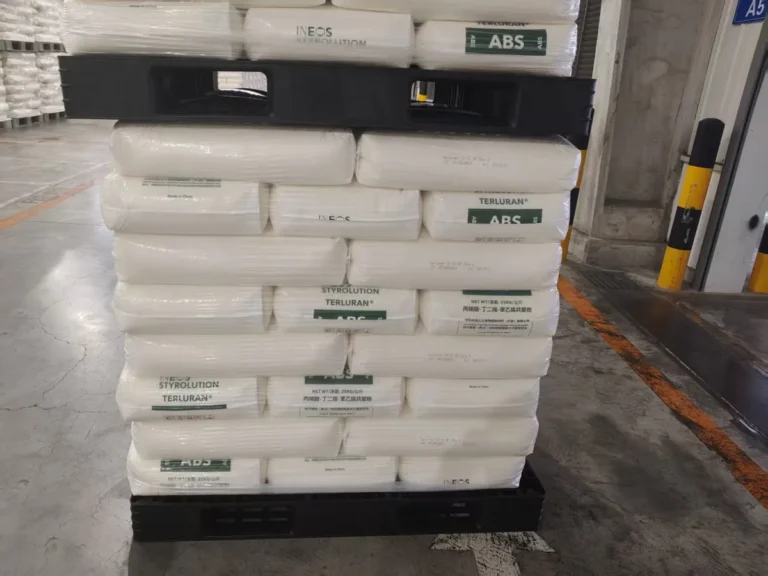
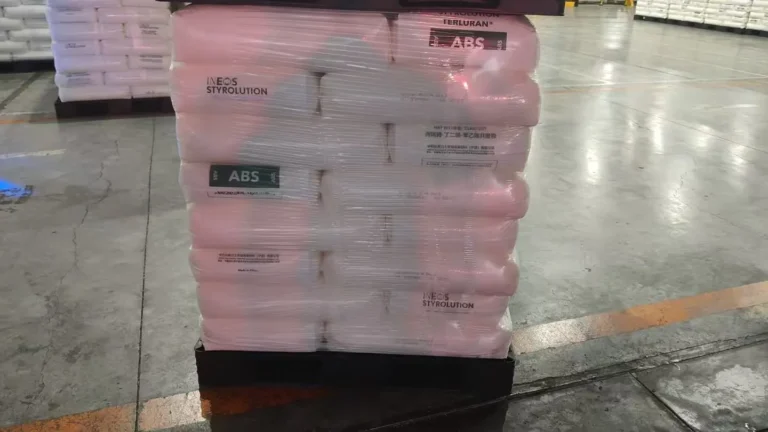
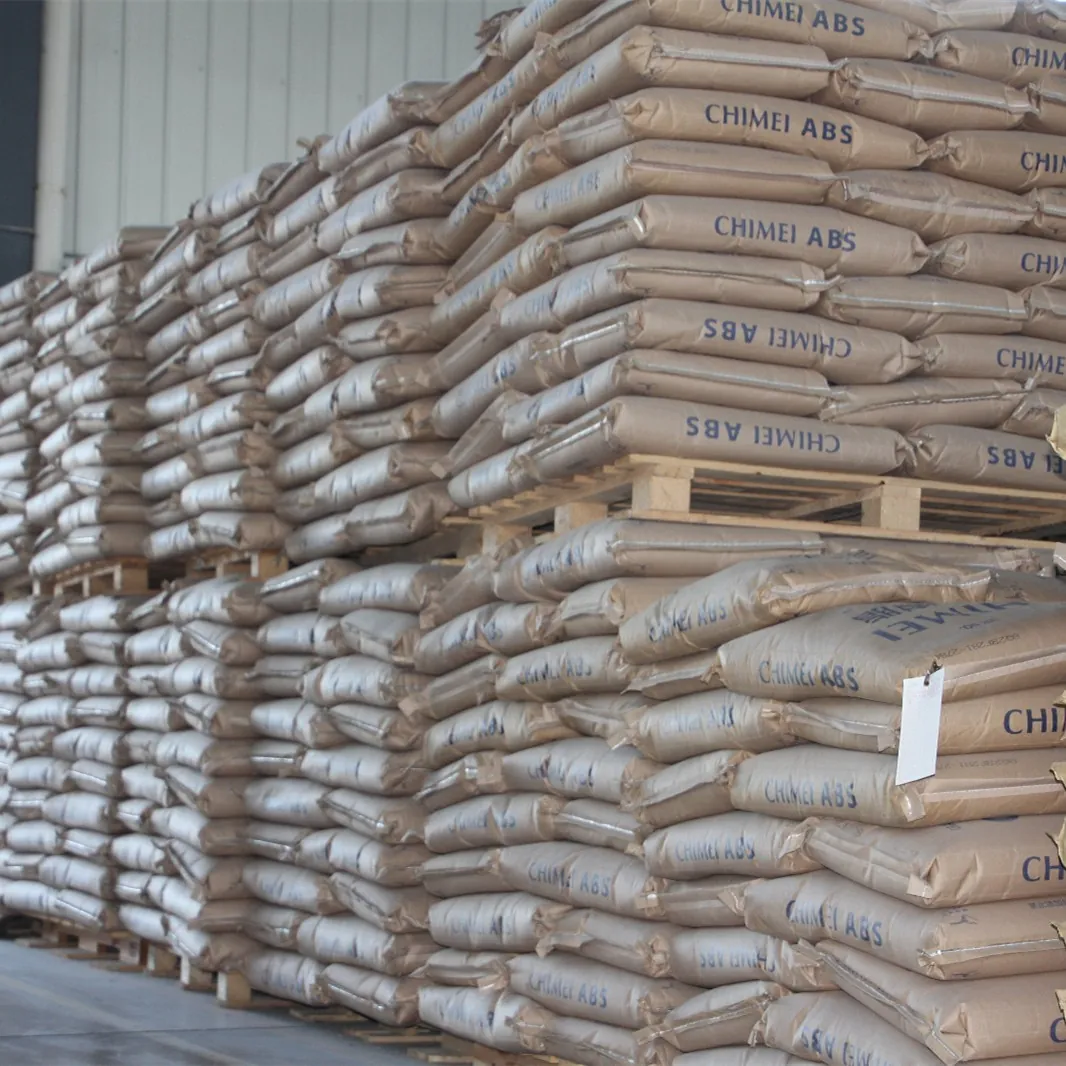
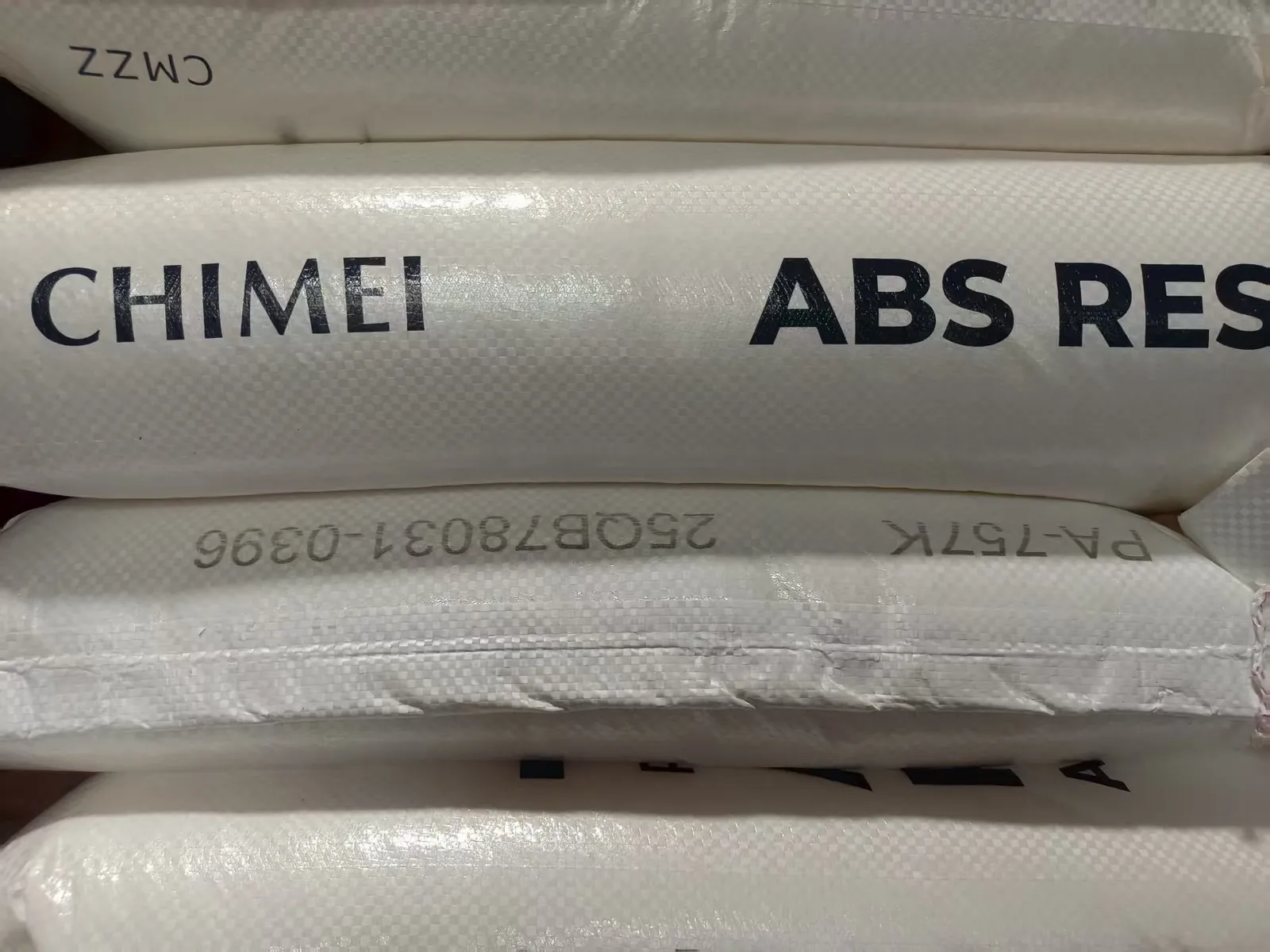
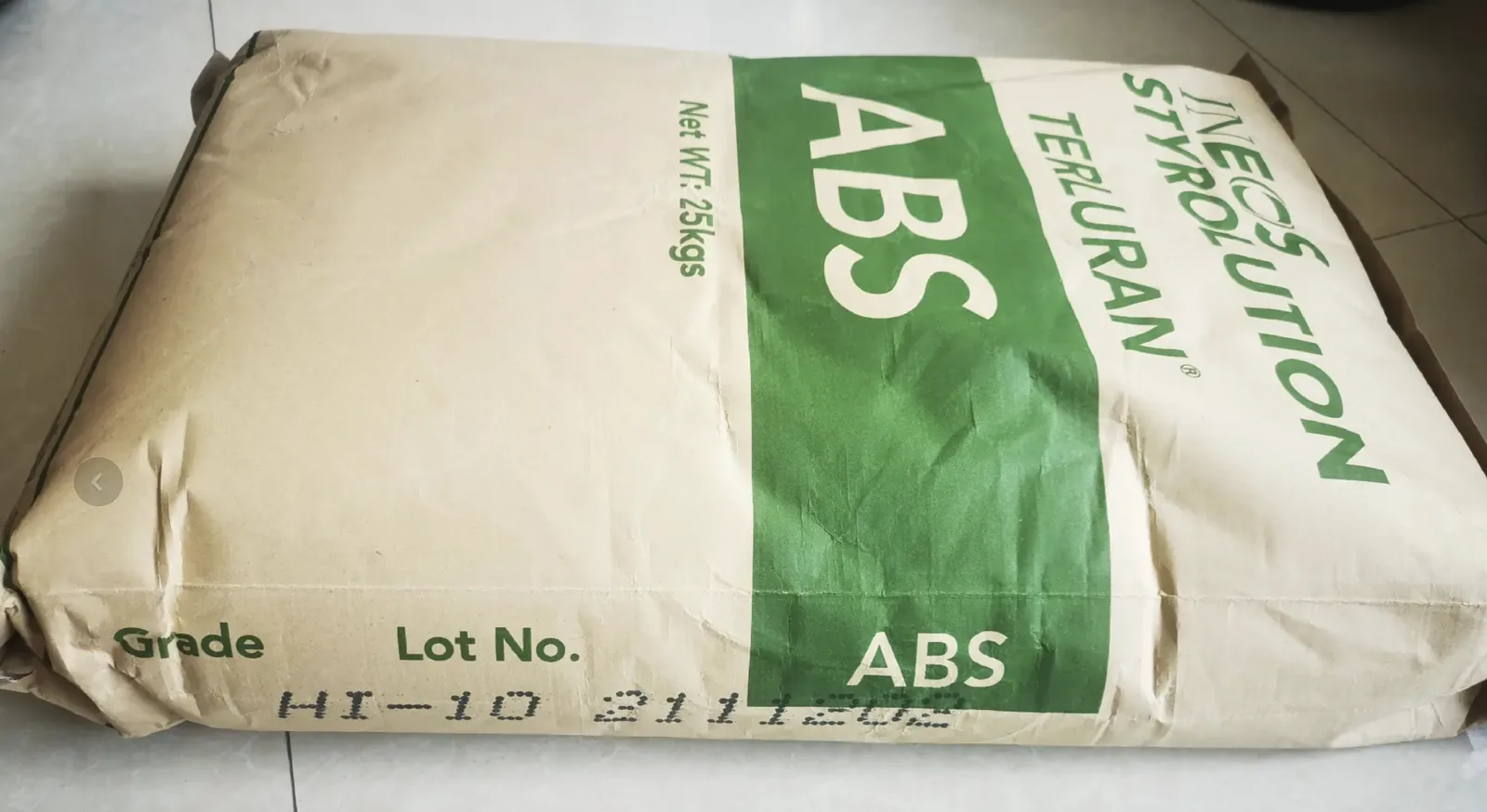
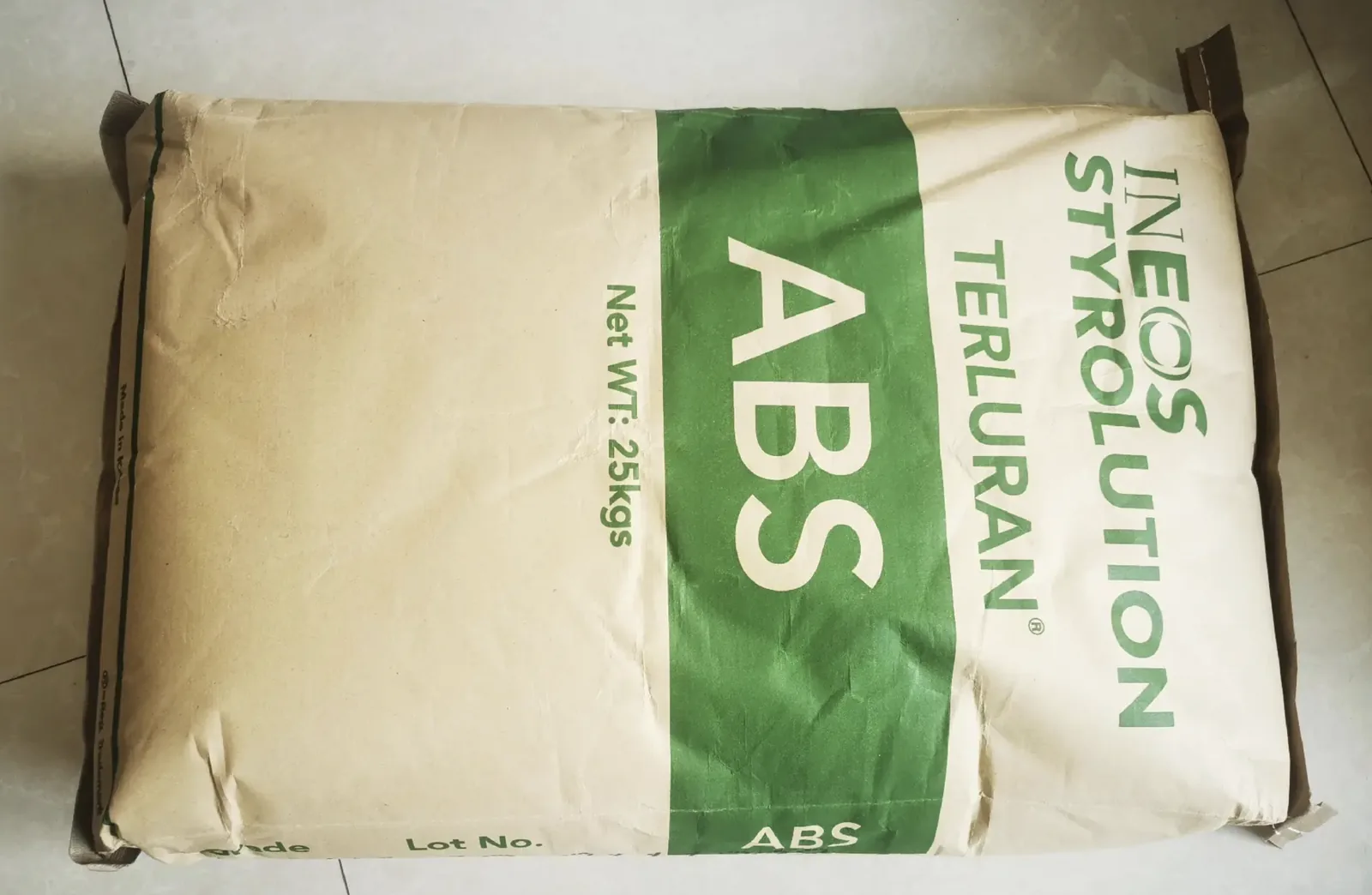
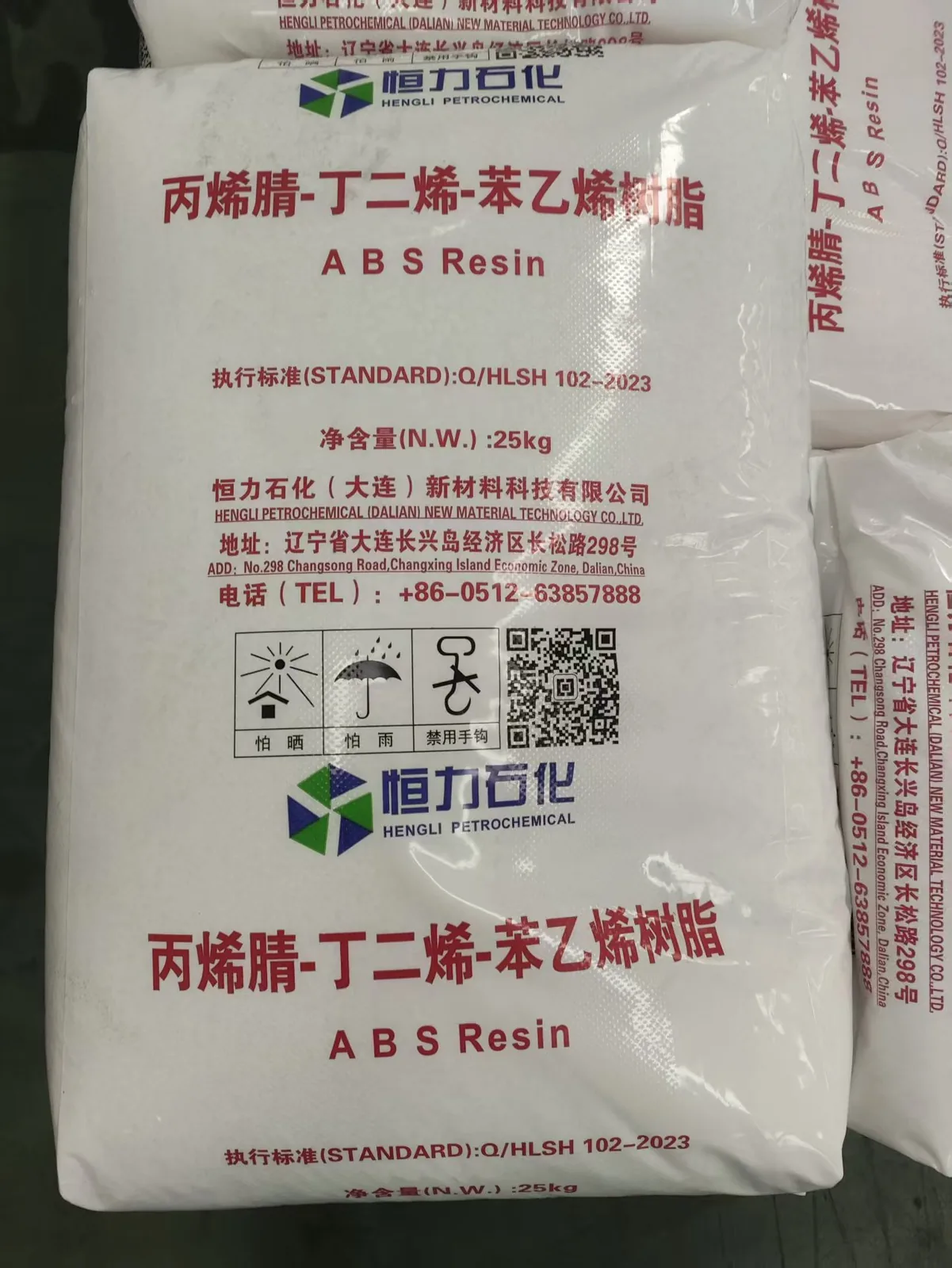
For general-purpose molding, the grades we supply most often include CHIMEI PA-757 and PA-757K, INEOS Styrolution Terluran GP-22 and Terluran GP-35, and Chinese general-purpose grades such as Hengli HA-714, Yulong A-2020, ZPC ZA0210 and ZA0211. For higher impact, Terluran HI-10 and LG Chem HI121H are common choices, the latter especially for white goods. HDT and Vicat differ from grade to grade, so always confirm them on the producer’s datasheet for your application.
If your current specification names an imported brand, a Chinese grade with similar heat data may do the same job at a lower cost. Our comparison of Chinese general-purpose ABS grades and our note on Terluran GP-22 alternatives show the published values side by side. For cost planning, see our analysis of the ABS price in 2026.
Related Reading
- How to read an ABS technical data sheet
- ABS drying and molding conditions by grade
- LG Chem HI121H ABS for white goods: drying, molding conditions and regrind
- CHIMEI PA-757 vs PA-757K vs PA-757H: what the codes mean and how to order
- ABS price 2026: price per kg and ton, trends and 2027 outlook
Frequently Asked Questions
Can ABS parts go in a dishwasher or near hot water?
Does regrind change the melt temperature or heat resistance of ABS?
Which temperature value should we write into a purchase specification: HDT, Vicat or Tg?
Is ABS suitable for car interior parts in summer?
Why do two ABS datasheets show different HDT values for similar grades?
Does color or masterbatch change the heat resistance of ABS?
Can you supply ABS with a guaranteed minimum HDT or Vicat?
What payment terms do you accept for ABS orders?
To sum up: ABS has no true melting point. It softens around a glass transition temperature of about 105 °C, processes at about 210–260 °C, and in service is best kept to about 60–80 °C continuous for general-purpose grades, with heat-resistant grades and PC/ABS available when you need more margin. Tell us the temperature and load your part has to handle, and we will recommend suitable grades, send the datasheets and quote container or pallet quantities. Request an ABS quote