For general-purpose injection molding, a large share of the ABS molded in Asia now comes from Chinese plants. Four grades come up again and again in inquiries: Hengli HA-714, Yulong A-2020, PetroChina 0215A and ZPC ZA0211. All four sit in the same melt-flow class, around 20–22 g/10 min at 220 °C/10 kg, and all are offered for housings, appliance parts, toys and daily-use goods.
On paper they look interchangeable. In practice the four producers publish different kinds of data, under different test standards, and each grade has its own strengths. This guide puts the published values side by side, explains how to read them, and sets out what a purchasing and engineering team should check before choosing one or switching between them.
Summary for purchasing and engineering teams
- Same flow class. HA-714 and 0215A list 22 g/10 min, A-2020 and ZA0211 list 20 g/10 min, all at 220 °C/10 kg. A change between them rarely needs new process settings.
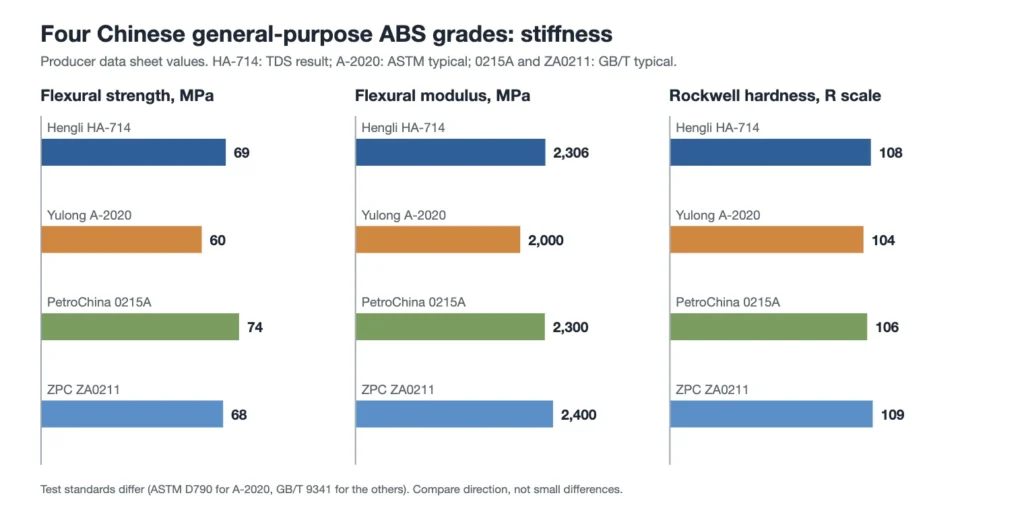
- Stiffness differs more than flow. 0215A lists the highest flexural strength (74 MPa) and ZA0211 the highest flexural modulus (2,400 MPa). A-2020 lists the lowest values of the four (60 MPa and 2,000 MPa).
- Each grade has a clear angle. A-2020 is positioned on whiteness and low VOC, 0215A on gloss, rigidity and food-contact certifications, HA-714 on a tight flow specification and EU REACH, ZA0211 on certificate data for every lot.
- The data sheets are not like for like. A-2020 is tested to ASTM methods, the other three to GB/T. Impact is reported as Izod for two grades and Charpy for the other two. Compare trends, then confirm on the part.
The four grades at a glance
| Grade | Producer (as on the data sheet or bag) | Production route given by the producer | Producer-listed uses |
|---|---|---|---|
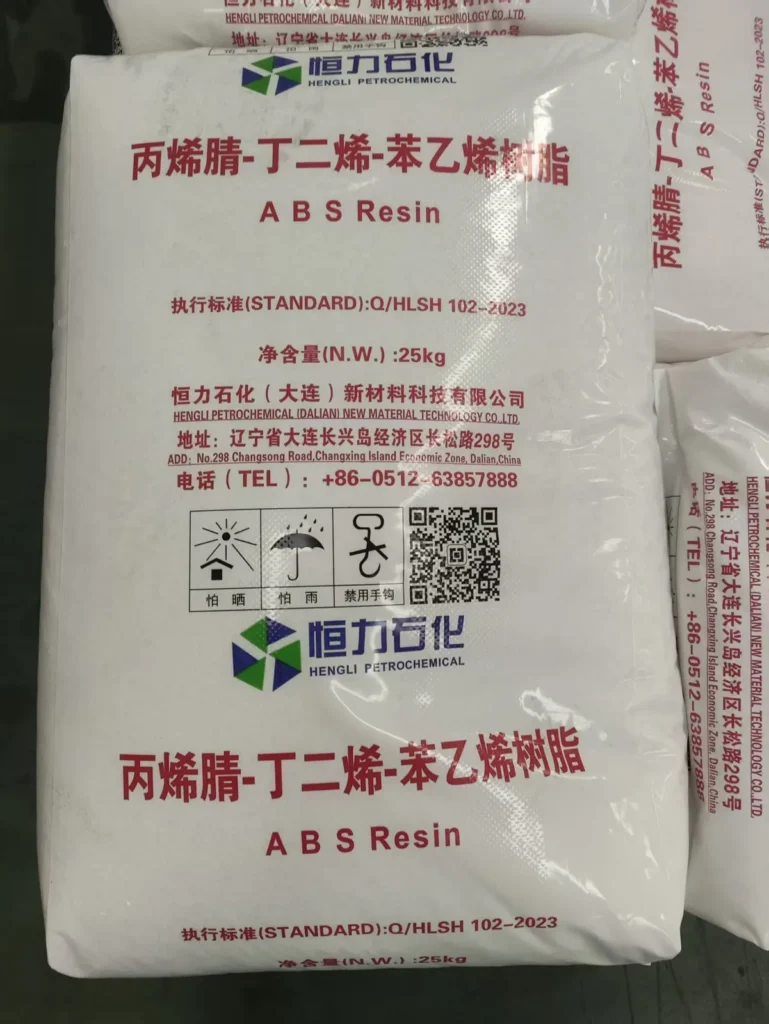
| Hengli HA-714 | Hengli Petrochemical (Dalian); data sheet issued by Hengli Energy & Chemical (Shanghai) | / | Toys, electronics and electrical appliances, household appliance components, miscellaneous goods |
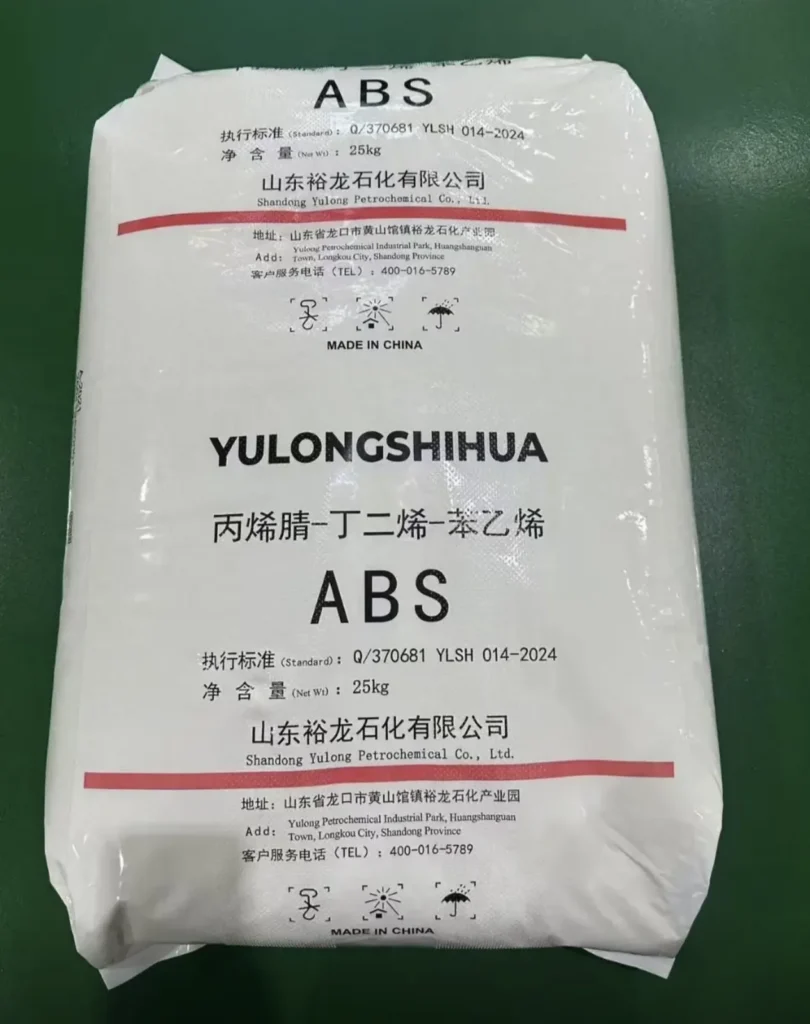
| Yulong A-2020 | Shandong Yulong Petrochemical, Longkou, Shandong | Magnesium sulfate wet coagulation | Automobile parts, building materials, toys, furniture |
| PetroChina 0215A | PetroChina Jilin Petrochemical (Jieyang) Branch | Emulsion grafting blended with bulk SAN | Small appliances, electronic and electrical products, daily-use goods, toys |
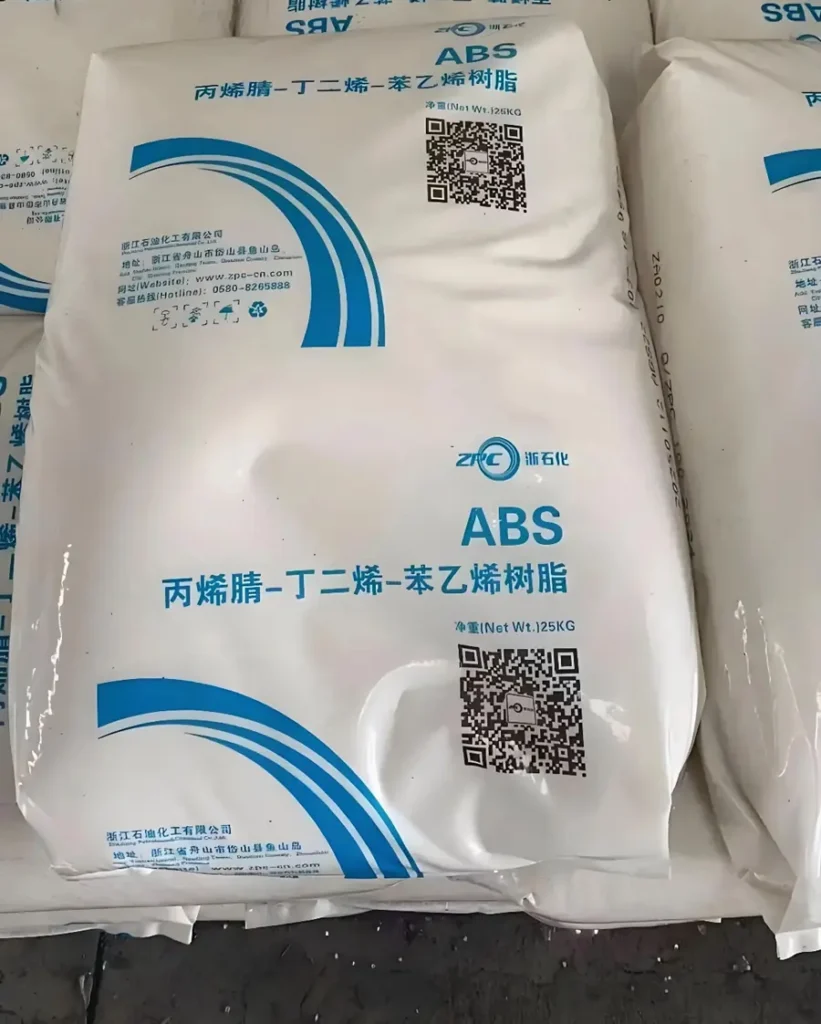
| ZPC ZA0211 | Zhejiang Petroleum & Chemical (ZPC), Zhoushan | / | Appliance and electrical housings |
Data-sheet values side by side
The table shows what each producer publishes. HA-714 values are the results reported on the current Hengli data sheet, with the specification limit in brackets. A-2020, 0215A and ZA0211 values are typical values. Where a property is not given, the cell shows “/”.
| Property | Hengli HA-714 | Yulong A-2020 | PetroChina 0215A | ZPC ZA0211 |
|---|---|---|---|---|
| Basis of values | Result (specification), GB/T | Typical, ASTM | Typical, GB/T | Typical, GB/T |
| MFR, 220 °C / 10 kg | 22 g/10 min (20.0–23.0) | 20 g/10 min | 22 g/10 min | 20 g/10 min |
| Tensile strength at yield | 43.0 MPa (≥ 42) | 42 MPa | 45 MPa | 43 MPa |
| Flexural strength | 69 MPa (≥ 65) | 60 MPa | 74 MPa | 68 MPa |
| Flexural modulus | 2,306 MPa (≥ 2,000) | 2,000 MPa | 2,300 MPa | 2,400 MPa |
| Notched impact, 23 °C | Izod 21 kJ/m² (≥ 14) | Izod 22 kg·cm/cm, 1/4″ | Charpy 22 kJ/m² | Charpy 23 kJ/m² |
| Vicat softening temperature | 96 °C, 10 N (≥ 95) | 90 °C, ASTM D1525 | 96 °C, GB/T 1633 | 95 °C, 50 N |
| Rockwell hardness, R | 108 (≥ 101) | 104 | 106 | 109 |
| HDT, 1.8 MPa, unannealed | / | / | / | 83 °C |
| Color data | Natural color | Whiteness 40% (ASTM E313) | Yellowness index 20, whiteness 64 | / |
| Flammability, UL 94 | / | / | HB | HB at 1.5 mm |
| Compliance stated by the producer | EU REACH | Low VOC | FDA, RoHS, GB 4806.6, PAHs | / |
ASTM and GB/T methods use different specimens and conditions, Izod and Charpy are different tests, and Vicat at 10 N reads higher than at 50 N. Small differences between columns are not significant.
Where the grades differ
- Rigidity: 0215A and ZA0211 lead. 0215A lists 74 MPa flexural strength and 45 MPa tensile strength, the highest of the four; ZA0211 lists the highest flexural modulus (2,400 MPa) and Rockwell R109. For thin housings that must not flex or for screw bosses, these two start with more margin.
- Whiteness: A-2020 is built for it. Yulong coagulates the rubber latex with magnesium sulfate, which the producer credits for better whiteness, and lists whiteness of 40% under ASTM E313 and low VOC. Its trade-off is the lowest published stiffness and Vicat (90 °C) of the four, under ASTM methods.
- Tight flow control: HA-714. Hengli now specifies flow at 20.0–23.0 g/10 min, a narrow window that suits molders who run several cavities or long flow paths with little process headroom. Older HA-714 documents used a wider 16.0–28.0 range, so check which revision an approval was based on.
- Food contact and certifications: 0215A. PetroChina lists FDA, RoHS, GB 4806.6 and PAHs certifications for 0215A. For kitchen appliances, toys and consumer goods sold into regulated markets, this saves a round of document requests. Certificates are issued per grade and plant, so request the current copies for the lot that will ship.
- Impact is in the same range for all four. HA-714 and A-2020 report notched Izod, 0215A and ZA0211 notched Charpy, with values between 21 and 23 kJ/m² where the unit is the same. None of the four publishes cold-impact data. For parts used in the cold, test the part.
Which grade fits which part
| Requirement | Grades to evaluate first | Why |
|---|---|---|
| White or light-colored parts with less pigment | A-2020 | Producer positions the grade on whiteness (40%, ASTM E313) from wet coagulation |
| Stiff housings, screw bosses, thin walls under load | 0215A, ZA0211 | Highest published flexural strength (74 MPa) and modulus (2,400 MPa) |
| Food-contact or regulated consumer goods | 0215A | FDA, RoHS, GB 4806.6 and PAHs listed by the producer |
| Export to the EU | HA-714, or any grade with a current REACH statement | Hengli states EU REACH compliance on the data sheet |
| Consistent fill on multi-cavity tools | HA-714 | Narrow 20.0–23.0 g/10 min flow specification |
| Lot-by-lot certificate data | ZA0211 | Each lot carries a ZPC product qualification certificate with measured results |
| Parts used outdoors or in the cold | Test any candidate | None of the four publishes cold-impact values |
Processing and drying
Because the four grades share a flow class, a switch between them rarely needs tool changes. ABS picks up moisture in storage, so dry it before molding; undried material shows splay (silver streaks) and can lose impact strength. Only PetroChina publishes processing conditions on its data sheet, and they make a sound starting point for all four.
| Parameter | Hengli HA-714 | Yulong A-2020 | PetroChina 0215A | ZPC ZA0211 |
|---|---|---|---|---|
| Drying | / | / | 80–90 °C, 2 h | / |
| Melt temperature | / | / | 210–280 °C | / |
| Injection pressure | / | / | 500–1,000 bar | / |
| Mold shrinkage | / | / | / | 0.4–0.7% |
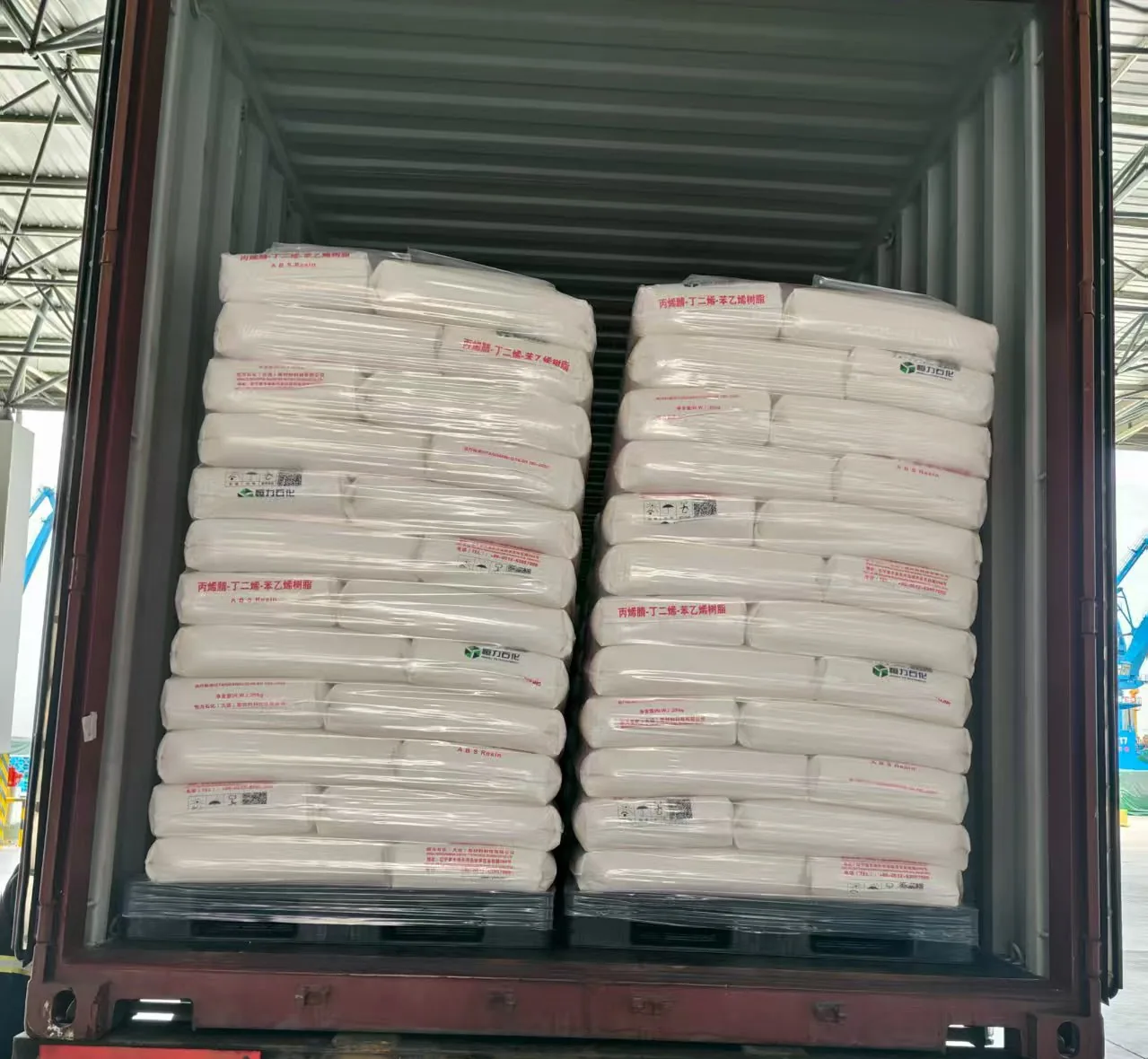
| Packing | 25 kg bags | 25 kg bags | 25 kg bags, 1.5 t per pallet | 25 kg bags |
| Storage limit stated | / | 12 months from production | / | / |
Switching between the four grades
- Check whether approval is needed. If the drawing or customer specification names a grade, a change needs written approval first.
- Compare on the same basis. Line up flow, flexural values, impact and Vicat, and note where the method, impact type or Vicat load differs.
- Collect documents. Request the TDS, SDS and the compliance statements the part needs (REACH, RoHS, food contact) for the producer and plant that will ship.
- Run a molding trial. Start from your current settings and record fill, cycle time, part weight, color and surface defects.
- Approve and inspect. Test impact, heat and dimensions on the part, then approve the grade and check each lot’s COA against the agreed range.
Supply and incoming inspection
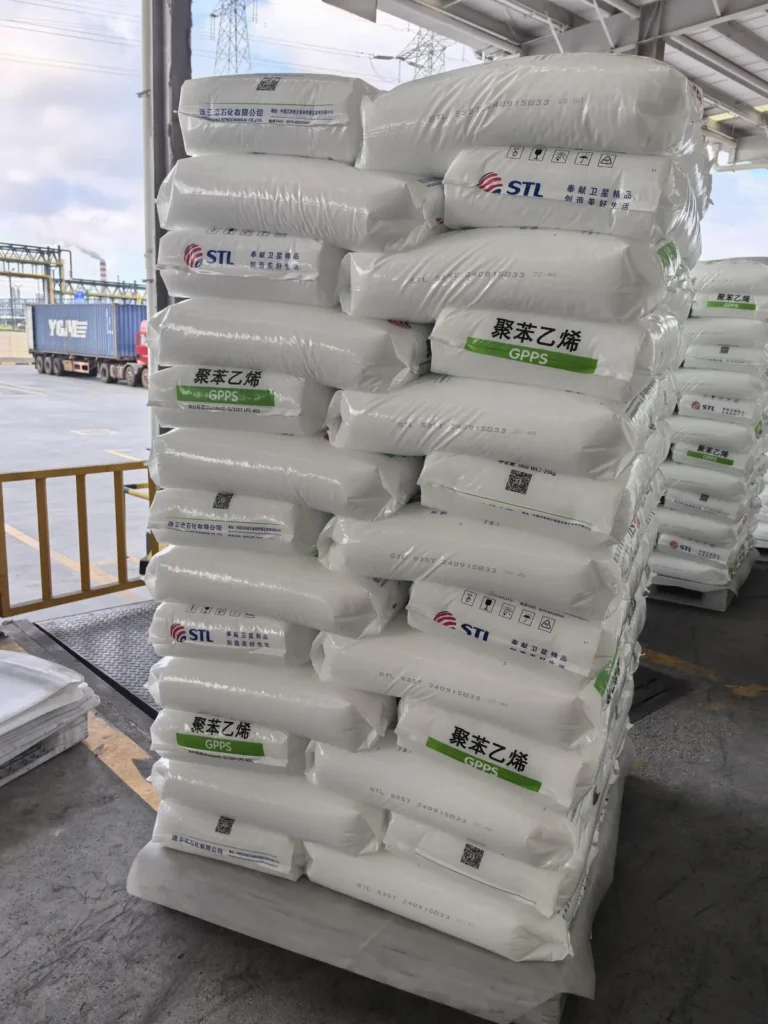
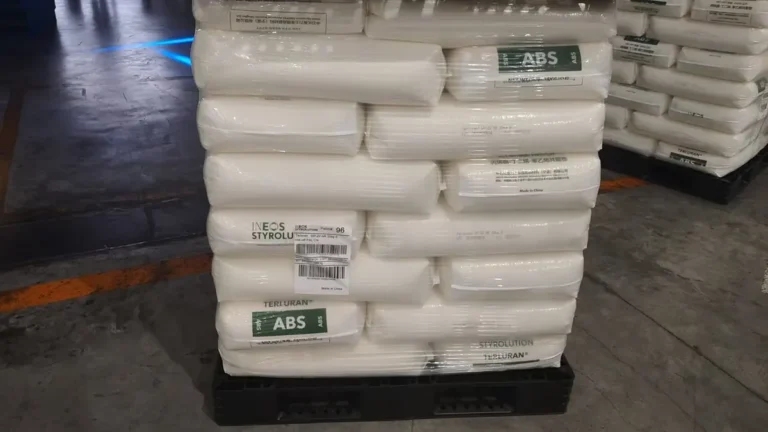
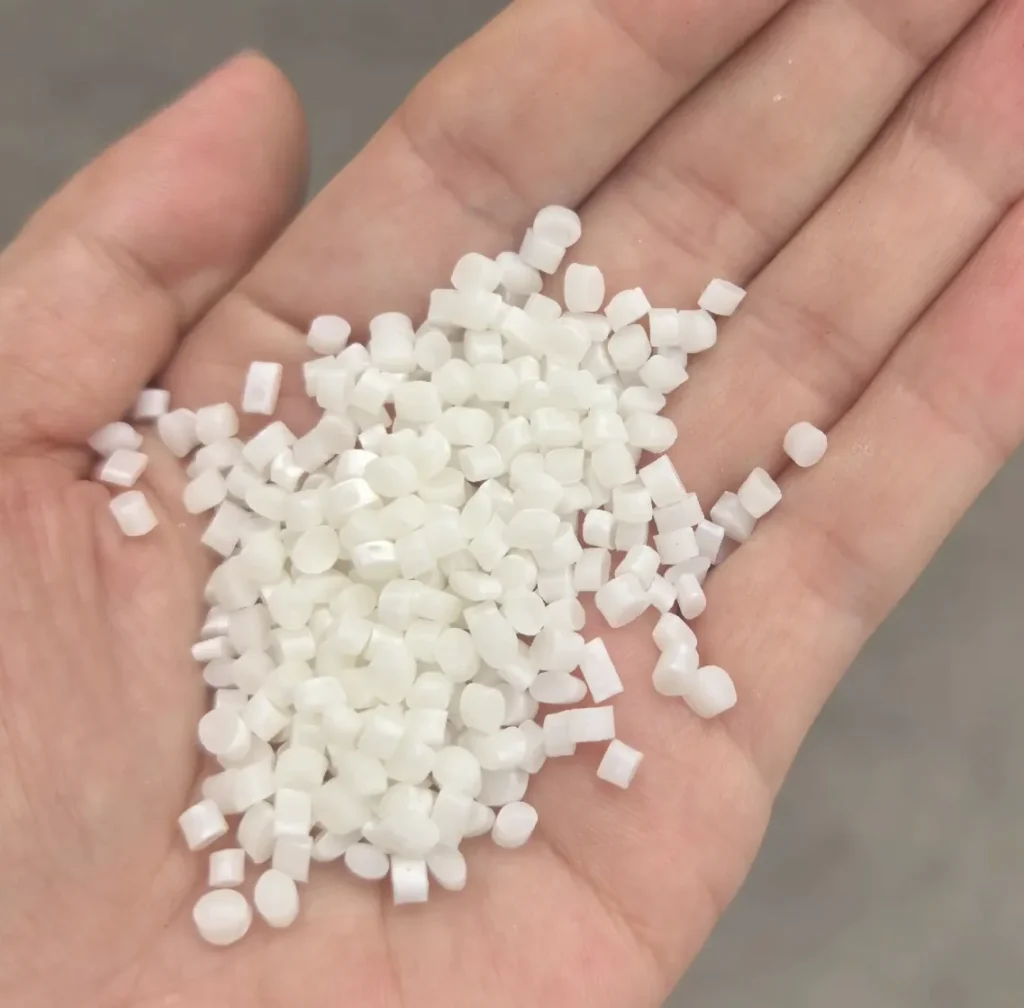
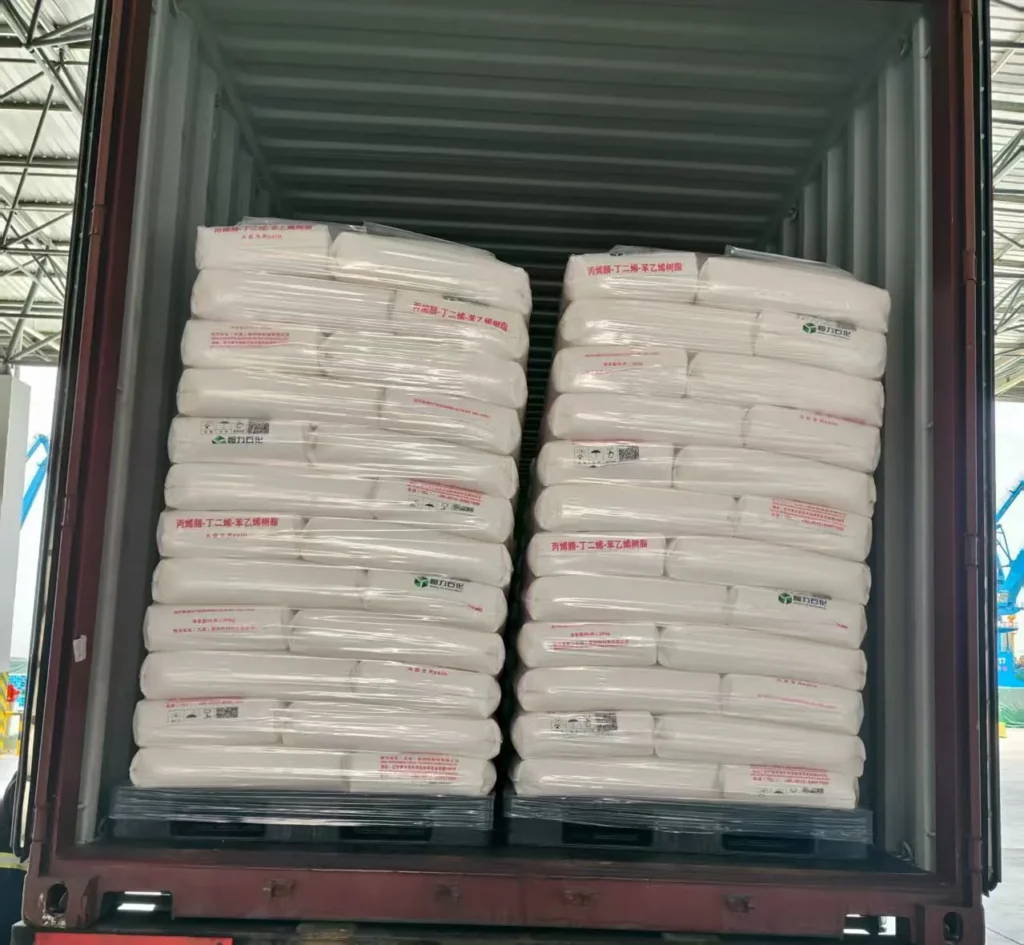
All four grades are supplied as natural pellets in 25 kg bags on pallets. At goods-in, check that the producer name and grade printed on the bag match the purchase order, that the lot number on the bag matches the COA, and that flow and impact on the COA sit within the range approved during qualification.

Related grades in our catalog
| Grade | Flow as published | Basis | Note |
|---|---|---|---|
| ZPC ZA0210 | 18.0–24.0 g/10 min (220 °C/10 kg) | Specification limits, GB/T | Sister grade to ZA0211, see our ZA0211 and ZA0210 guide |
| LG Chem HI121H | 22 g/10 min (220 °C/10 kg) | Typical, ASTM | Same flow class, made for white goods |
| INEOS Terluran GP-22 | MVR 19 cm³/10 min (220 °C/10 kg) | Typical, ISO | Imported reference grade, see our GP-22 alternatives guide |
| CHIMEI PA-757K | MVR 18 cm³/10 min (220 °C/10 kg) | Typical, ISO | High gloss, medium impact |
All grades are listed under ABS resin.
Frequently asked questions
Are HA-714, A-2020, 0215A and ZA0211 interchangeable?
Which of the four is the stiffest?
Which grade is best for white parts?
Which grade has food-contact certifications?
Why does one grade report Izod and another Charpy?
Does HA-714 still have a 16.0–28.0 flow specification?
How long can these grades be stored?
What documents come with a delivery?
HA-714, A-2020, 0215A and ZA0211 cover most general-purpose ABS needs from Chinese production. The flow class is the same; what separates them is stiffness, color, the certifications behind each grade and the kind of data the producer publishes. Choosing on those points, and qualifying the grade on the actual part, makes a switch between them predictable.