Most molding problems with ABS start before the screw turns: wet pellets, a melt that is too hot, or settings copied from a different grade. Producers publish drying and molding conditions on their data sheets, but each in its own format and units. This guide gathers the published conditions for the ABS grades we supply into one place, explains the ranges, and lists the defects that show when they are missed.
Summary for purchasing and engineering teams
- Drying is common to all grades. Published settings sit between 75 and 90 °C for 2–4 hours. LG Chem sets a target of below 0.1% moisture.
- Melt temperature windows overlap. Published ranges run from 210 to 280 °C; most general-purpose grades sit around 220–260 °C.
- Shrinkage is the same class. Every grade that publishes it lists 0.4–0.7% (0.004–0.007 in/in).
- Not every producer publishes processing data. Where a sheet is silent, start from a comparable grade and confirm in a trial.
Published drying and molding conditions
| Grade | Drying | Melt temperature | Mold temperature | Other published settings |
|---|---|---|---|---|
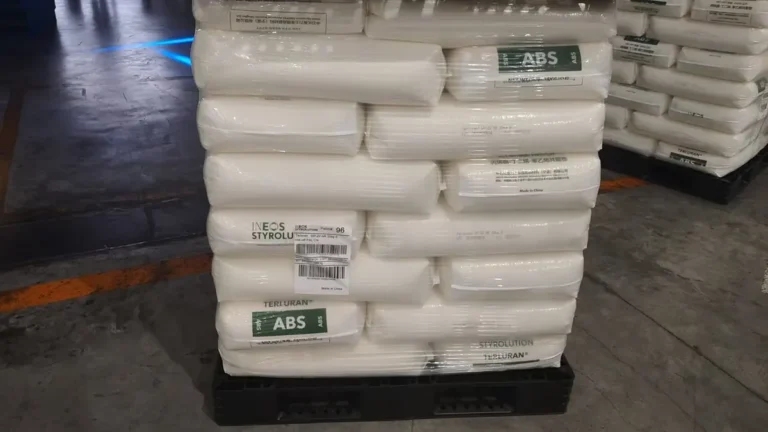
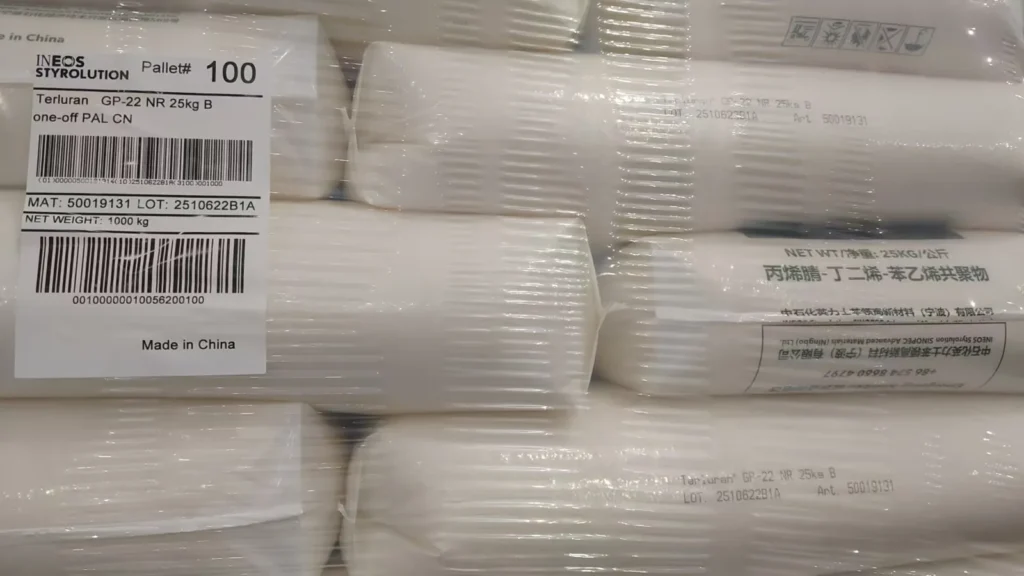
| INEOS Terluran GP-22 | 80 °C, 2–4 h | 220–260 °C | 30–80 °C | Shrinkage 0.4–0.7% |
| INEOS Terluran GP-35 | 175 °F (≈ 80 °C), 2–4 h | 425–500 °F (≈ 218–260 °C) | 85–140 °F (≈ 29–60 °C) | Injection velocity 8 in/s; shrinkage 0.004–0.007 in/in |
| INEOS Terluran HI-10 | 80 °C, 2–4 h | 220–260 °C | 30–80 °C | Injection velocity 200 mm/s; shrinkage 0.4–0.7% |
| LG Chem HI121H | 75–85 °C, 2–4 h, to < 0.1% moisture | 210–240 °C | 40–70 °C | Injection 60–100 MPa, hold 70–90 MPa, back pressure 0.5–1 MPa, regrind ≤ 15% |
| PetroChina 0215A | 80–90 °C, 2 h | 210–280 °C | / | Injection 500–1,000 bar, medium to high speed |
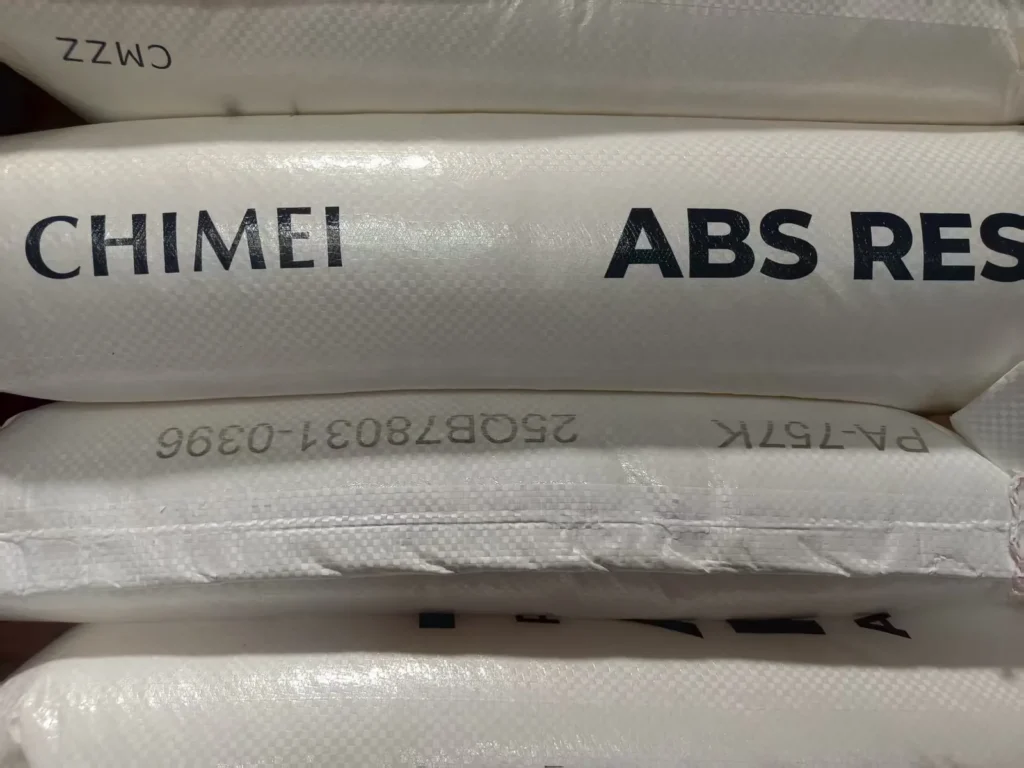
| CHIMEI PA-757 / 757K | / | / | / | Shrinkage 0.4–0.7% |
| ZPC ZA0211 | / | / | / | Shrinkage 0.4–0.7% |
| Hengli HA-714 | / | / | / | / |
| Yulong A-2020 | / | / | / | Storage ≤ 12 months from production |
Values as published on each producer’s data sheet; °F converted for reference. Settings are starting points and must be adjusted to the tool and part.
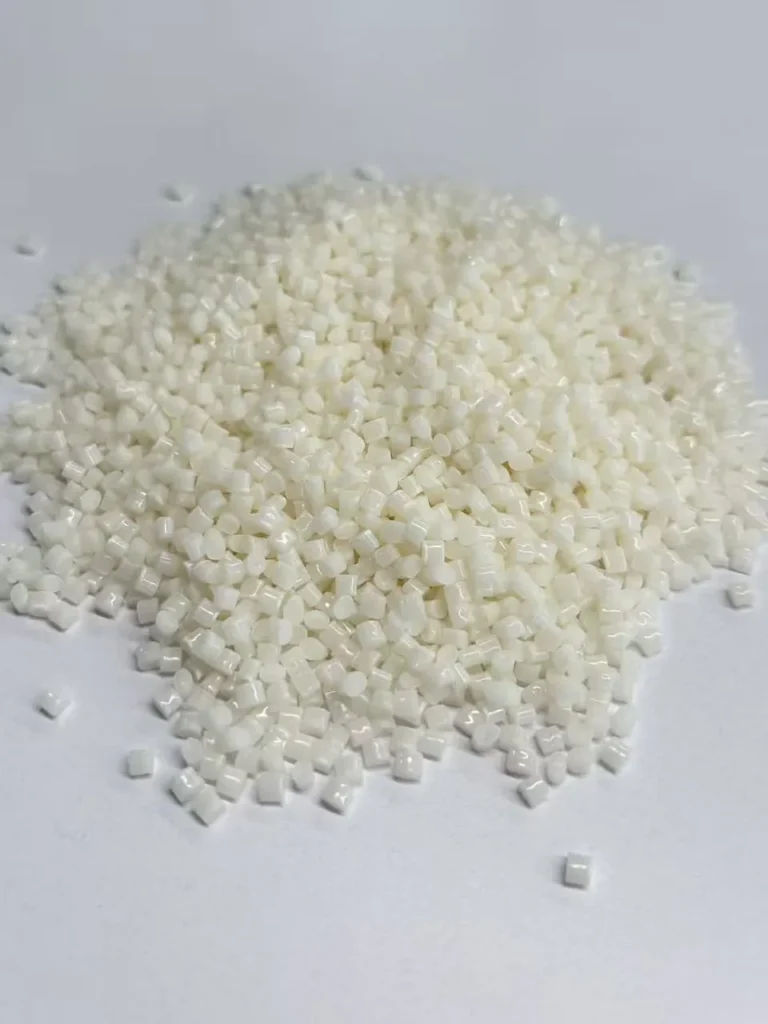
Drying
ABS absorbs moisture from the air. LG Chem states that HI121H pellets hold 0.3–0.8% moisture after normal packing, transport and storage; INEOS lists equilibrium moisture of about 0.2% at 23 °C/50% RH for GP-22 and HI-10. Molding wet ABS produces splay (silver streaks) and can reduce impact strength.
- Temperature: 75–90 °C covers every published setting. Higher temperatures risk yellowing and pellet sticking.
- Time: 2–4 hours. 0215A is listed at 2 hours at 80–90 °C; the other grades at 2–4 hours.
- Equipment: a dehumidifying dryer holds the result regardless of the weather; in humid seasons a hot-air dryer may not reach the target.
- Grades without a published setting: 80 °C for 2–4 hours is a safe starting point for general-purpose ABS.
Melt and mold temperature
- Melt temperature controls flow. For long flow paths, raise it within the published window before raising pressure. Too high or too long a residence time yellows the melt and can cause black specks.
- Low-flow grades need the upper half of the window. HI-10 (MVR 5.5 cm³/10 min) fills much harder than GP-22 (MVR 19) at the same temperature.
- Mold temperature controls appearance and stress. Higher settings (60–80 °C) improve gloss and weld lines; lower settings shorten the cycle.
Pressure, speed and regrind
Only LG Chem and PetroChina publish pressure settings: 60–100 MPa injection and 70–90 MPa holding for HI121H, and 500–1,000 bar (50–100 MPa) injection for 0215A. INEOS lists injection velocity (200 mm/s for HI-10, 8 in/s for GP-35). For regrind, LG Chem recommends 15% or less for HI121H, a sensible ceiling for any grade where appearance matters.
Defects and first checks
| Defect | Most likely cause | First check |
|---|---|---|
| Splay, silver streaks | Moisture | Drying temperature, time, dryer dew point, re-drying of opened bags |
| Yellowing, black specks | Overheating | Melt temperature, residence time, regrind share |
| Short shots | Flow too low for the part | Melt and mold temperature within the window; consider a higher-flow grade |
| Sink marks, voids | Insufficient packing | Holding pressure and hold time |
| Low gloss, visible weld lines | Cold mold or melt front | Mold temperature toward the upper limit |
| Brittle parts | Wet or degraded material, or too much regrind | Drying, melt temperature, regrind share |
Storage before molding
Keep bags sealed, dry and out of direct sunlight until use. INEOS notes that Terluran stored in poor conditions absorbs moisture that can be removed by drying. Yulong gives a storage limit of 12 months from the production date for A-2020. PetroChina asks for protection from rain, damp, sunlight and heat sources for 0215A.
Running a trial on a new grade
- Dry at the producer setting, or 80 °C for 2–4 hours if none is published.
- Start from the current settings if the flow class is the same; otherwise start mid-window for the new grade.
- Adjust temperature before pressure to fill the part.
- Record fill, cycle time, part weight, color, gloss and defects, with the lot number used.
- Test the part for impact, heat and dimensions before approving the grade.
Related reading
- LG Chem HI121H: drying, molding conditions and regrind
- Terluran GP-35 vs GP-22 vs HI-10
- How to read an ABS data sheet
- All grades: ABS resin
Frequently asked questions
What is the standard drying condition for ABS?
How dry does ABS need to be?
What melt temperature should I use for ABS?
Why does ABS turn yellow during molding?
Can I use the same settings when switching grades?
How much regrind can be used?
What mold shrinkage should I design for?
How long can ABS be stored before molding?
Drying correctly, starting from the producer window and changing temperature before pressure solve most ABS molding problems. Where a producer publishes no settings, a comparable grade’s conditions and a recorded trial give a reliable start.