INEOS Styrolution sells its ABS under the Terluran name, and three grades cover most of what molders ask us for: Terluran GP-35, Terluran GP-22 and Terluran HI-10. They share a producer, a pellet form and 25 kg bags, but they are built for different jobs. The choice comes down to one trade-off: how easily the melt fills the tool against how much impact the part must take.
This guide sets out what INEOS publishes for each grade, how to compare them when one data sheet is in ASTM units and two in ISO, and which grade fits which part.
Summary for purchasing and engineering teams
- GP-35: highest flow. MFR 34 g/10 min at 220 °C/10 kg, intended for thin walls and long flow paths, with excellent colorability and gloss.
- GP-22: the general-purpose balance. MVR 19 cm³/10 min, notched Izod 26 kJ/m², aimed mainly at housings.
- HI-10: highest impact. Notched Izod 36 kJ/m² at 23 °C and 14 kJ/m² at −30 °C, at the cost of much lower flow (MVR 5.5 cm³/10 min) and lower stiffness.
- Different data sheets. GP-22 and HI-10 are documented to ISO methods; the GP-35 sheet we hold is the INEOS Americas edition, to ASTM methods. Compare GP-35 by trend, not number by number.
Producer positioning
| Grade | How INEOS describes it | Producer-listed uses |
|---|---|---|
| Terluran GP-35 | High-flow, general-purpose injection grade with good ductility, for thin walls or an adverse flow-length-to-wall ratio | Thin-wall telecom components, household and sanitary appliances, toys, automotive components |
| Terluran GP-22 | Easy-flow, general-purpose injection grade with high impact and heat distortion resistance, mainly for housings | Appliance housings, household and sanitary appliances, toys, automotive components |
| Terluran HI-10 | Medium-flow grade with very high impact resistance, high impact at sub-zero temperatures and good heat distortion resistance | Appliance housings, lawn and garden components needing superior toughness, compounding |
Data-sheet values
GP-22 and HI-10 values are ISO typical values. GP-35 values are ASTM typical values from the INEOS Americas sheet, with our approximate SI conversions in brackets. Where a property is not given in a comparable form, the cell shows “/”.
| Property | Terluran GP-35 | Terluran GP-22 | Terluran HI-10 |
|---|---|---|---|
| Basis of values | Typical, ASTM (2016) | Typical, ISO | Typical, ISO (2022) |
| Melt flow, 220 °C / 10 kg | MFR 34 g/10 min | MVR 19 cm³/10 min | MVR 5.5 cm³/10 min |
| Notched Izod, 23 °C | 4.5 ft-lb/in (≈ 240 J/m) | 26 kJ/m² | 36 kJ/m² |
| Notched Izod, −30 °C | 1.5 ft-lb/in (≈ 80 J/m) | / | 14 kJ/m² |
| Notched Charpy, 23 °C / −30 °C | / | 22 / 8 kJ/m² | 35 / 13 kJ/m² |
| Tensile stress at yield | 6,520 psi (≈ 45 MPa) | 45 MPa | 38 MPa |
| Tensile modulus | 362 kpsi (≈ 2,496 MPa) | 2,300 MPa | 1,900 MPa |
| Elongation / nominal strain at break | 2.4% | 10% | 9% |
| Flexural strength | 9,430 psi (≈ 65 MPa) | 65 MPa | 56 MPa |
| Vicat, VST/A/50 (10 N), ISO 306 | 203 °F (≈ 95 °C) | 105 °C | 103 °C |
| Vicat, VST/B/50 (50 N) | / | 96 °C | 90 °C |
| HDT, 1.8 MPa, annealed | 206 °F (≈ 97 °C), ASTM D648 | 94 °C | 93 °C |
| Hardness | Rockwell R102 | Ball indentation 97 MPa | Ball indentation 74 MPa |
| Yellowness index | / | 13 | 15 |
| Mold shrinkage | 0.004–0.007 in/in | 0.4–0.7% | 0.4–0.7% |
ASTM and ISO values use different specimens and conditions. Our SI conversions are for orientation only. The Vicat A row is comparable across all three, since every sheet reports it under ISO 306.
What the numbers mean for the part
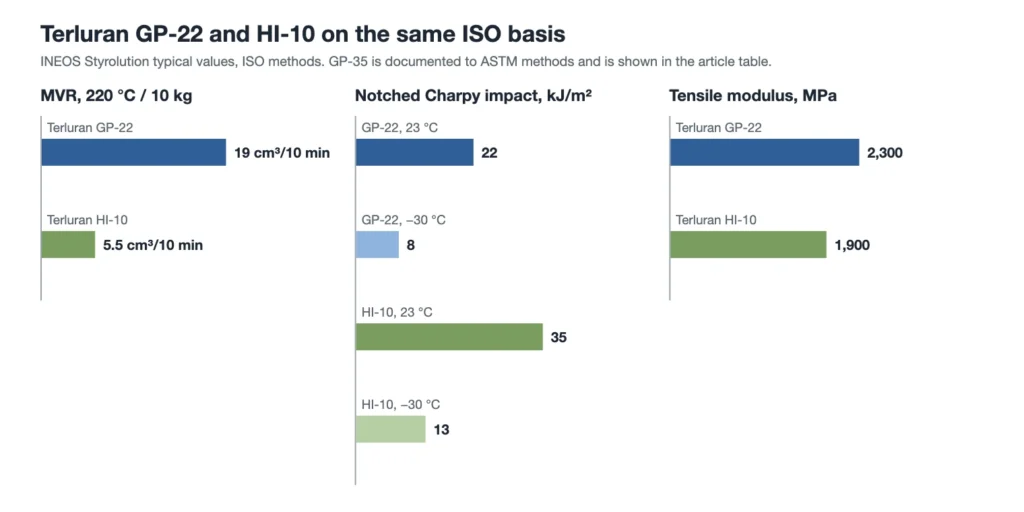
- Flow decides whether the part fills. GP-35 is the only one of the three intended for thin walls and long flow paths. HI-10’s MVR of 5.5 cm³/10 min is less than a third of GP-22’s 19, so it suits thicker parts and shorter flow lengths. Moving a GP-22 tool to HI-10 usually needs higher melt temperature or pressure, or a gate review.
- Impact decides whether the part survives. HI-10 lists 36 kJ/m² notched Izod against 26 for GP-22, and keeps 13–14 kJ/m² at −30 °C where GP-22 lists 8 kJ/m² Charpy. For lawn and garden parts, outdoor housings or parts that are dropped, this is the reason to choose HI-10.
- Stiffness and heat move the other way. HI-10 lists lower tensile modulus (1,900 against 2,300 MPa), flexural strength (56 against 65 MPa) and Vicat B (90 against 96 °C) than GP-22. For snap fits that must hold, screw bosses or parts near heat, GP-22 has more margin.
- GP-35 is stiff but less ductile. Its sheet lists 2.4% elongation at failure under ASTM, and a Vicat A of about 95 °C against 105 °C for GP-22 under the same ISO 306 method. Thin walls fill easily, but check impact and heat on the finished part.
- Color. GP-22 and GP-35 are both described with excellent colorability and gloss. GP-22 lists yellowness index 13, HI-10 15, so light shades may need a small masterbatch adjustment when switching to HI-10.
Which Terluran grade for which part
| Part or requirement | Grade to evaluate first | Why |
|---|---|---|
| Thin-wall housings, telecom parts, long flow paths | GP-35 | MFR 34 g/10 min; producer intends it for thin walls |
| General appliance and electronics housings | GP-22 | Balanced flow, impact (26 kJ/m² Izod) and stiffness |
| Parts dropped in use, outdoor or cold-storage parts | HI-10 | 36 kJ/m² Izod at 23 °C, 14 kJ/m² at −30 °C |
| Lawn and garden equipment | HI-10 | Producer-listed use; toughness at low temperature |
| Base resin for colored or modified compounds | HI-10 for toughness, GP-22 for balance | HI-10 lists compounding as a use; GP-22 is a common color base |
| Parts near heat or under load | GP-22 | Higher Vicat and modulus than HI-10 |
Processing and drying
All three are dried and molded in a similar window, which makes trials straightforward. ABS absorbs moisture, so dry before molding: undried material causes splay and can reduce impact strength.
| Parameter | GP-35 | GP-22 | HI-10 |
|---|---|---|---|
| Drying | 175 °F (≈ 80 °C), 2–4 h | 80 °C, 2–4 h | 80 °C, 2–4 h |
| Melt temperature | 425–500 °F (≈ 218–260 °C) | 220–260 °C | 220–260 °C |
| Mold temperature | 85–140 °F (≈ 29–60 °C) | 30–80 °C | 30–80 °C |
| Injection velocity | 8 in/s | / | 200 mm/s |
| Moisture at 23 °C/50% RH | / | 0.22% | 0.21% |
Switching between Terluran grades
- Check approval. If the drawing names a Terluran grade, a switch is a design change and needs customer approval.
- Compare on one basis. Use ISO values for GP-22 and HI-10 and the Vicat A row for GP-35; treat other GP-35 figures as trends.
- Review the tool. Moving to HI-10 lowers flow sharply; moving to GP-35 raises it and may cause flash on tight tools.
- Trial and test. Mold on the production tool, then test impact at the lowest service temperature, heat and dimensions.
- Approve the lot range. Agree the flow and impact range in the unit shown on the COA.
Supply
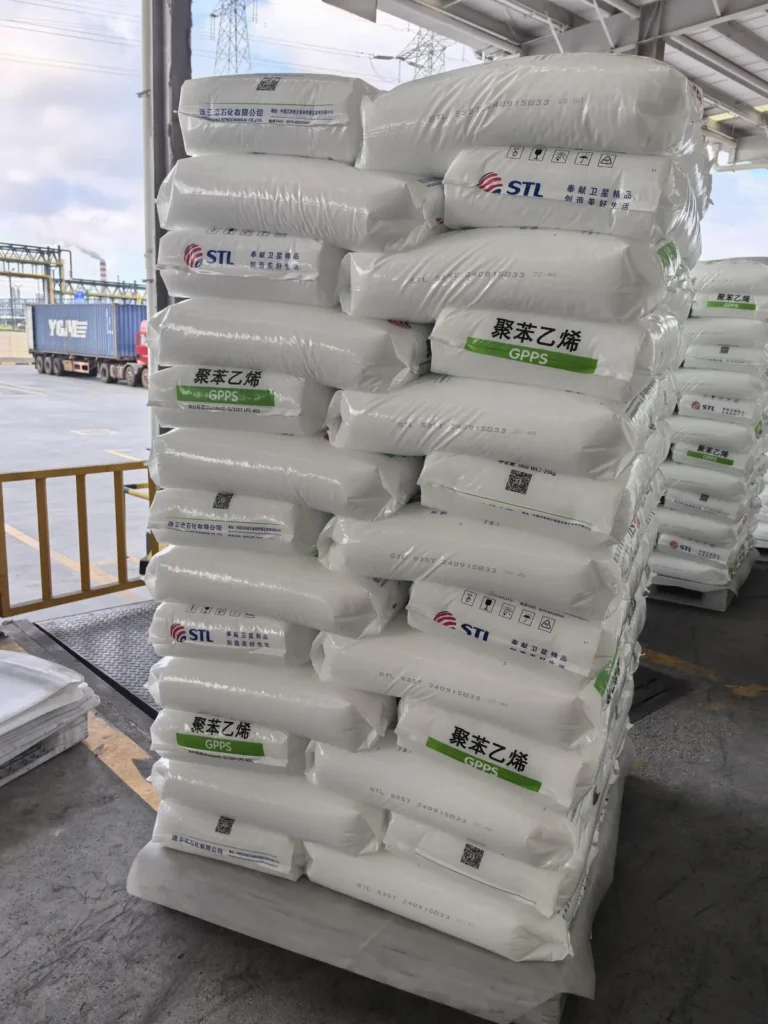
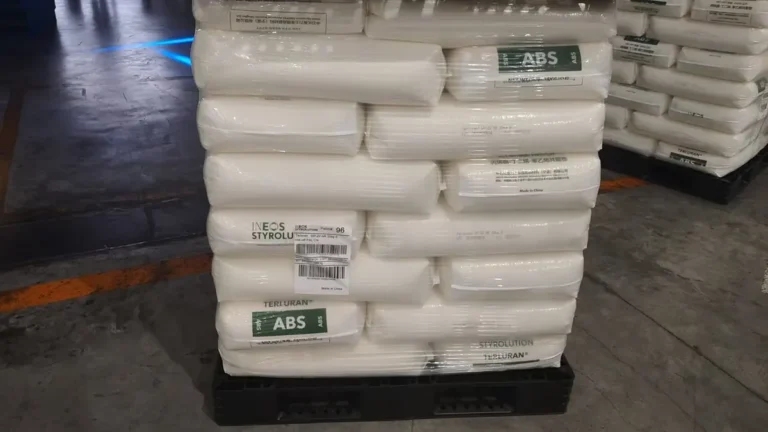
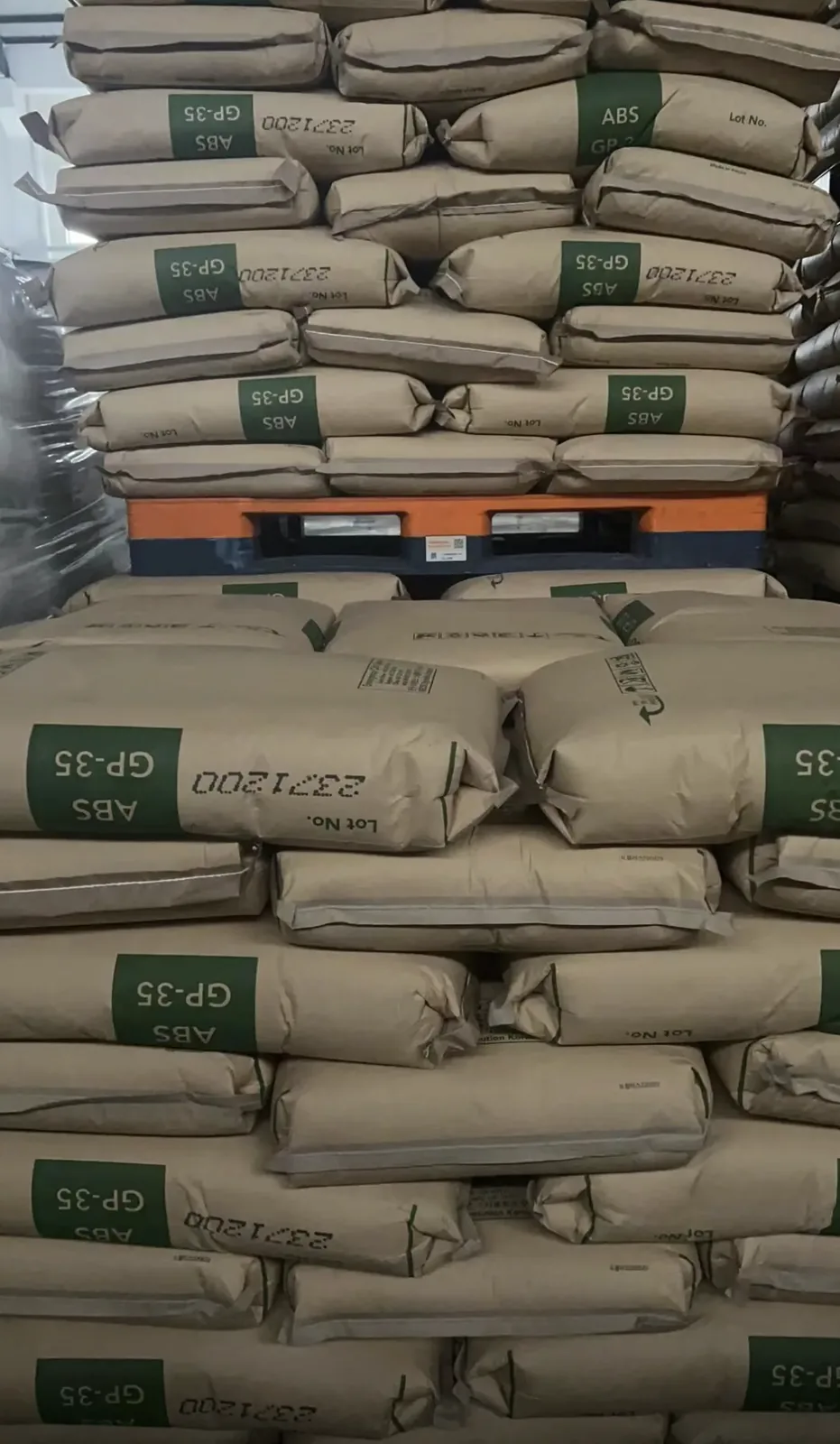
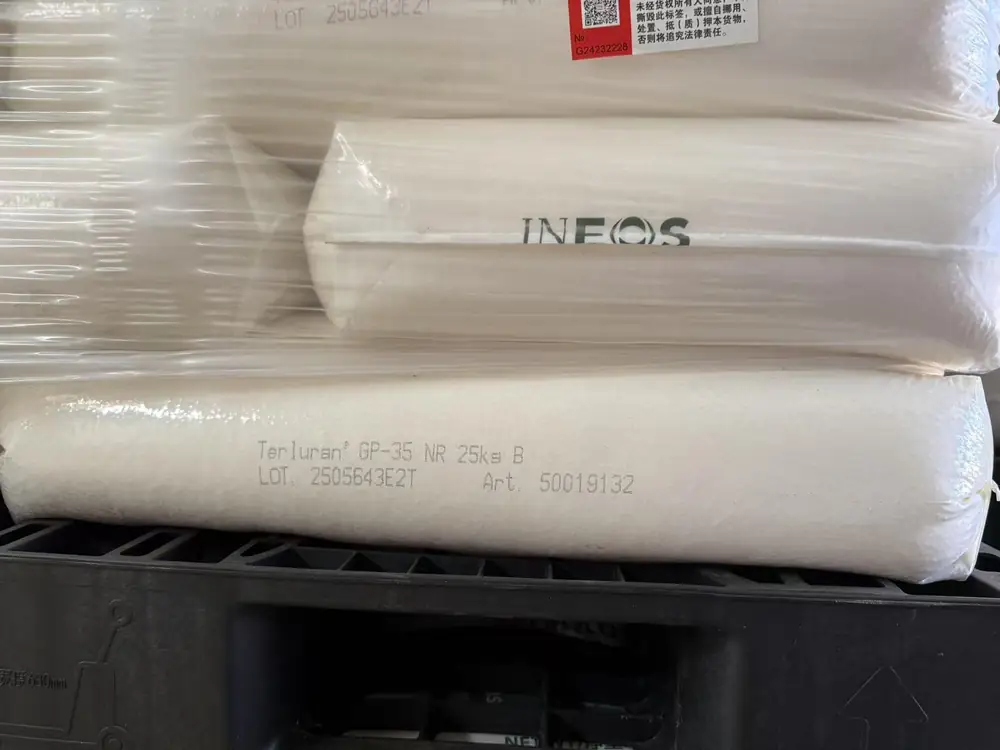
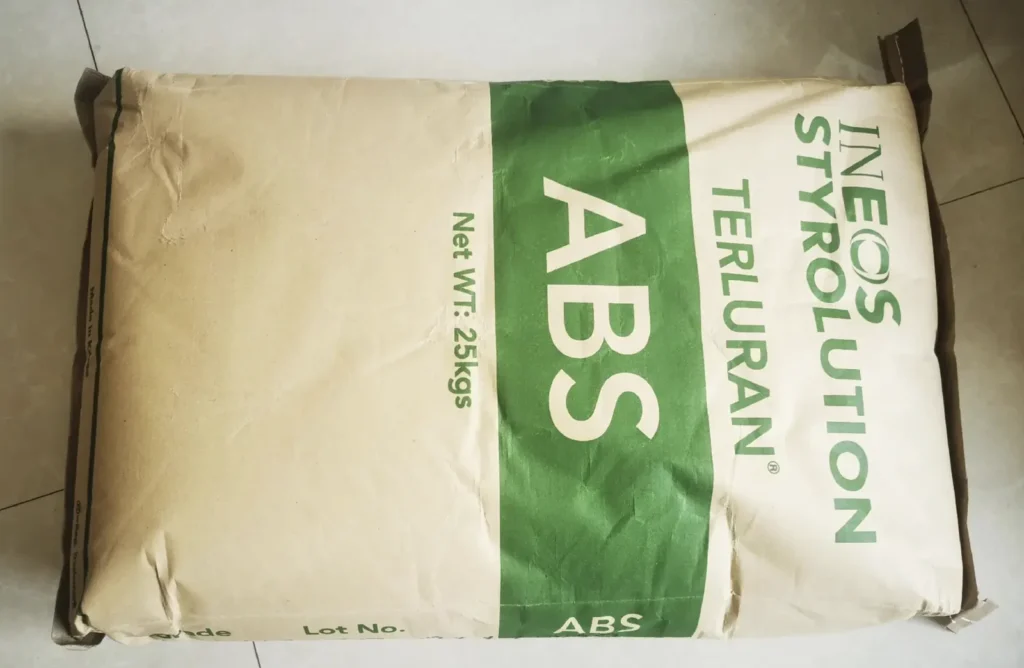
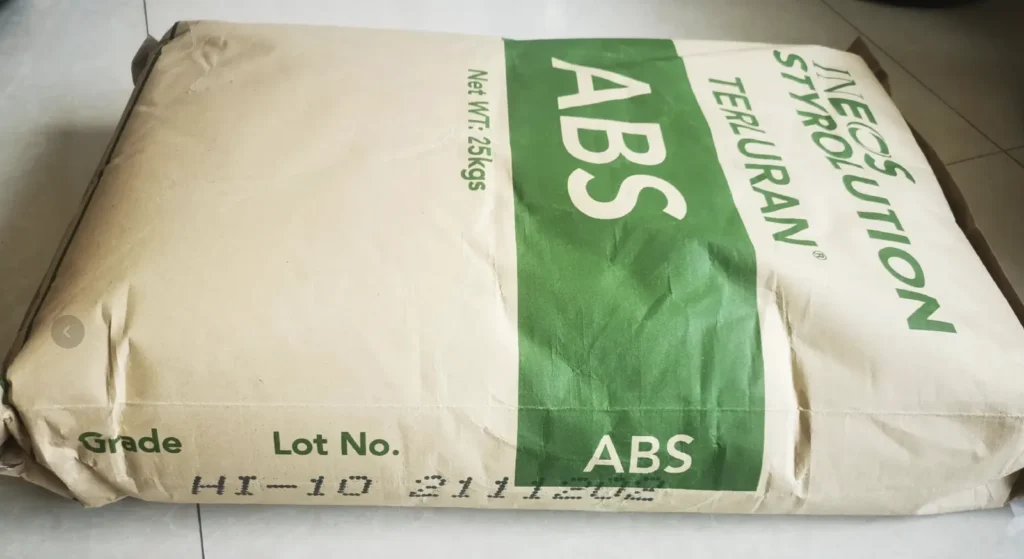
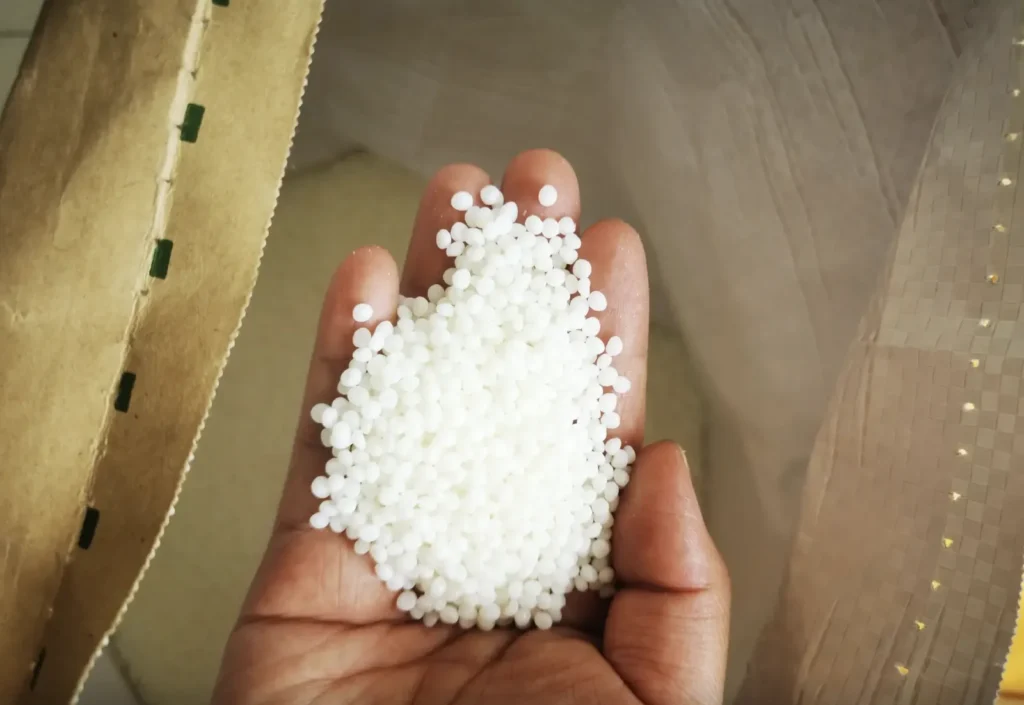
All three grades are delivered as spherical pellets in 25 kg PE bags on pallets, stretch- or shrink-wrapped. The producer and plant are printed on the bag: GP-22 we handle is printed with INEOS Styrolution SINOPEC Advanced Materials (Ningbo), and GP-35 bags we ship are marked Made in Korea. Store bags indoors and dry material from opened bags before use.
Related reading and grades
- Terluran GP-22 alternatives: CHIMEI PA-757 and PetroChina 0215A
- How to read an ABS data sheet: MFR vs MVR, ISO vs ASTM vs GB/T
- Chinese general-purpose ABS compared
- All grades: ABS resin
Frequently asked questions
What is the difference between Terluran GP-22 and GP-35?
When should I choose Terluran HI-10?
Can HI-10 run in a tool designed for GP-22?
Is GP-35 less heat resistant than GP-22?
Which grade is best for colored parts?
Why are GP-35 values in psi and °F?
What drying do Terluran grades need?
Where are the Terluran grades produced?
GP-35, GP-22 and HI-10 cover the main needs of general ABS molding: fill, balance and toughness. Choosing starts with the part’s wall thickness and impact load, then a trial on the production tool confirms the choice.