A PP resin datasheet (TDS) is the quickest way to tell whether a polypropylene grade will run on your line and perform in your part. The trouble is that two datasheets rarely present the same values in the same way. This checklist covers what to read first, what the numbers mean in production, and what to confirm with your plastic resin supplier before ordering.
1. Polymer type: homopolymer, random or impact copolymer
Start with the type of polypropylene, because it sets the basic balance of properties:
- Homopolymer PP gives the highest stiffness and heat resistance. It is used for injection-molded housewares, caps, raffia, fiber and film.
- Random copolymer PP contains a small amount of ethylene spread through the chain. It is clearer, more flexible and has a lower melting point, which suits clear containers, medical parts and hot-fill packaging.
- Impact (block) copolymer PP contains a rubber phase for toughness, especially at low temperature. It is the usual choice for automotive parts, crates, buckets and appliance components.
2. Melt flow rate (MFR)
For polypropylene, MFR is measured at 230 °C under 2.16 kg (ISO 1133 or ASTM D1238). It is the single most important number for matching a grade to a process. As a rough guide, pipe and some extrusion grades sit below 1 g/10 min, film and raffia grades in the low single digits, general injection molding in the range of about 10 to 40, and thin-wall packaging and spunbond fiber grades higher still. A grade with the right properties but the wrong MFR will cause short shots, sagging or unstable extrusion.
3. Stiffness and impact
Look at flexural modulus together with notched impact strength (Izod or Charpy). Stiffness and toughness usually move in opposite directions, so check both at the temperature your part will see. If the product is used in cold storage or cold climates, ask for impact values at a low temperature such as −20 °C, not only at 23 °C.
4. Heat deflection temperature (HDT)
HDT shows how the material holds its shape under load at elevated temperature. Note whether the value is given at 0.45 MPa or 1.8 MPa, because the two are not comparable. This matters for microwaveable containers, dishwasher-safe parts and components near engines or heaters.
5. Additives and special features
Datasheets often mention nucleating or clarifying agents, antistatic additives, slip and antiblock for film, or UV stabilization. These can change cycle time, clarity and long-term performance. If your part needs one of these features, confirm that it is in the grade rather than assuming it can be added later.
6. Test methods and units
Values measured under ISO and ASTM methods are not directly interchangeable, and some producers report typical values while others report minimums. When comparing two grades, compare like with like, and treat a datasheet as typical properties rather than a specification.
7. What to confirm before you order
- The TDS and MSDS for the exact grade, before the purchase is confirmed.
- The COA for the lot that will be shipped, so you can check MFR and other key values against your incoming inspection.
- Food-contact or other compliance statements if your market requires them.
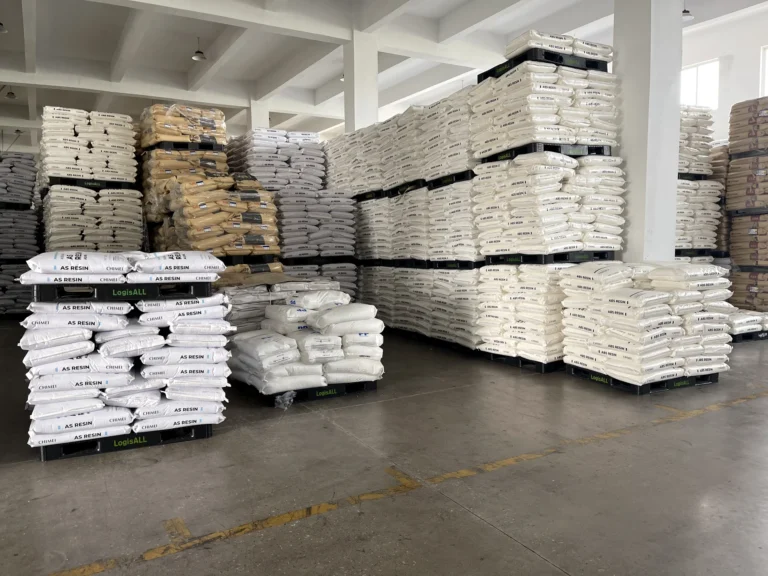
- Packing (for example 25 kg bags on pallets), loading quantity per container, and current lead time.
Full Trust supplies homopolymer, random copolymer and impact copolymer polypropylene from Chinese and international producers. Browse current grades on our PP resin page, or send us your application and process and we will shortlist grades with their datasheets.